If you’re a dog owner in Lakeland, you know how tempting it can be to reach for familiar over-the-counter medications like ibuprofen when your dog seems to be in pain. After all, ibuprofen is a common remedy for headaches, sore muscles, and minor aches in people. However, dog ibuprofen can be extremely dangerous—even deadly—for your pet. At Pet Care On Highland, located at 222 W Highland Dr, Lakeland, FL 33813, our veterinary team frequently sees cases where well-meaning pet owners accidentally put their dogs at risk by giving human pain relievers. In this blog, we’ll explain why ibuprofen is so hazardous for dogs, what symptoms to watch for if your dog ingests it, and the safe alternatives your veterinarian can recommend. We’ll also cover what steps to take if you suspect your dog has gotten into your medication and how to keep your household safe. If you’re searching for advice about dog ibuprofen in Lakeland, or wondering if there’s a “vet near me” who can help, you’re in the right place.
Understanding the dangers of dog ibuprofen starts with knowing how quickly symptoms can appear and what to watch for. Dogs are much more sensitive to ibuprofen than people, and even a single tablet can cause serious harm. If your dog has ingested ibuprofen—whether by chewing on a dropped pill, sneaking into a purse, or being given a dose by a well-intentioned owner—signs of toxicity can develop within hours.
Key symptoms of ibuprofen poisoning in dogs include vomiting (sometimes with blood), diarrhea, loss of appetite, drooling, abdominal pain, and lethargy. You may also notice signs like black or tarry stools, pale gums, increased thirst, or urination changes. In severe cases, neurological symptoms such as tremors, disorientation, or seizures can occur. If your dog is showing any of these signs after possible ibuprofen exposure, it’s critical to seek veterinary care immediately.
For more information about individual symptoms, you can read about vomiting in dogs, diarrhea in dogs, lethargy in dogs, or dog seizures on our website. These resources offer additional details about when to take symptoms seriously and how to respond.
Ibuprofen is designed for the human body, not for the canine system. The drug works by blocking enzymes called COX-1 and COX-2, which are involved in inflammation and pain. However, in dogs, these enzymes also play essential roles in protecting the stomach lining, kidney function, and blood flow. When a dog ingests ibuprofen, even in small amounts, it can rapidly cause stomach ulcers, intestinal bleeding, and kidney failure.
Dogs metabolize ibuprofen much more slowly than people, allowing the drug to reach toxic levels quickly. The risk is especially high for small breeds, senior dogs, or those with underlying health problems. Even a single dose can lead to severe complications, and repeated exposure increases the likelihood of life-threatening outcomes.
Unlike medications formulated specifically for dogs, human painkillers have a much narrower safety margin in pets. That’s why veterinarians strongly advise against giving any human medications to your dog without explicit veterinary guidance. If you have questions about safe pain relief, always discuss options with your veterinary team first.
If you suspect or know that your dog has eaten ibuprofen, immediate action is crucial. Do not wait for symptoms to appear; early intervention can make the difference between recovery and serious harm.
The best first step is to call your veterinarian or the team at Pet Care On Highland right away. Be prepared to share details such as the amount ingested, your dog’s weight, and how long ago the exposure occurred. If it’s after hours, the after-hours emergency information on our website can help you find urgent care resources.
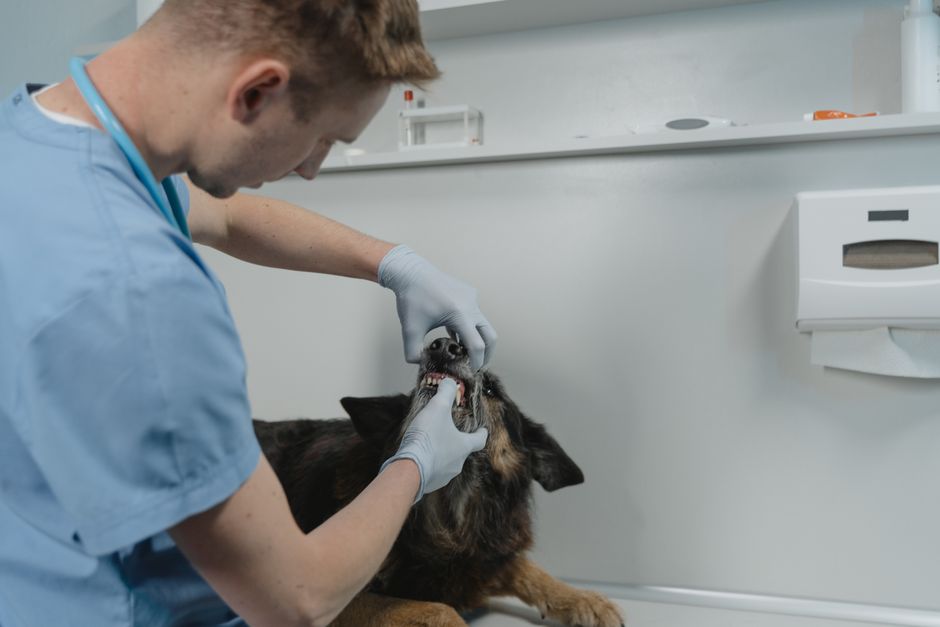
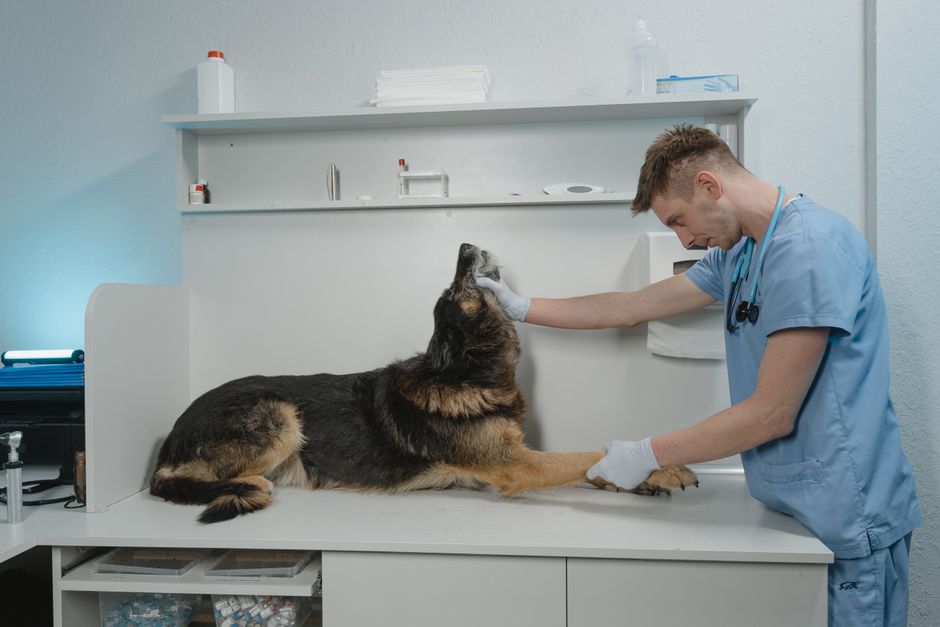
Veterinary professionals may recommend bringing your dog in for emergency treatment. Treatment approaches often involve inducing vomiting if ingestion was recent, administering activated charcoal to prevent further absorption, starting intravenous fluids, and providing medications to protect the stomach and support kidney function. Hospitalization and close monitoring are frequently required, depending on the severity of the case.
You can find more detailed guidance on what to do if your dog ingests ibuprofen by visiting our dog ate ibuprofen resource.
While it’s natural to want to relieve your dog’s discomfort, ibuprofen is never a safe choice. Fortunately, veterinarians have access to a range of safe, effective pain relief options that are specifically developed for dogs.
Professional pain management for dogs may include prescription medications such as non-steroidal anti-inflammatory drugs (NSAIDs) formulated for canine use, as well as other options tailored to your dog’s unique health needs. These medications are carefully dosed and monitored to minimize the risk of side effects. In some cases, your veterinarian may suggest adjunct therapies such as laser therapy, physical rehabilitation, or joint supplements to support your dog’s comfort and mobility.
At Pet Care On Highland, our pain management, monitoring, and anesthesia services are designed to provide comprehensive, compassionate care for dogs experiencing pain due to injury, surgery, arthritis, or other conditions. We’ll work with you to develop a treatment plan that prioritizes your dog’s safety and wellbeing.
Prevention is always the best strategy when it comes to dog ibuprofen toxicity. Keeping all human medications securely stored out of reach is essential, especially if your dog is curious or tends to explore purses, backpacks, or countertops. Make sure that visitors and children also know not to leave medications where pets can access them.
If your dog requires pain relief or is recovering from surgery, only use medications prescribed by your veterinarian. Never substitute human medications or over-the-counter remedies without professional advice. Review your household safety practices regularly to reduce the risk of accidental exposures and keep your veterinary clinic’s contact information handy in case of emergencies.
Time is of the essence if your dog may have ingested ibuprofen. Contact your veterinarian or Pet Care On Highland immediately if you see any signs of vomiting, diarrhea, lethargy, lack of appetite, or changes in urination. Rapid intervention can significantly improve your dog’s prognosis.
If you’re unsure whether your dog’s symptoms require urgent attention, our team is here to help. We encourage you to schedule an urgent care visit or call us for guidance. You can learn more about our urgent care and sick visits for pets experiencing potential medication toxicity and other health concerns.
Remember, waiting to see if symptoms improve on their own can be dangerous. It’s always safer to err on the side of caution and consult with veterinary professionals as soon as possible.
At Pet Care On Highland, we understand how much you care about your dog’s comfort and wellbeing. Our experienced veterinary team is committed to providing safe, effective pain management and urgent care for Lakeland pets and surrounding communities. We know that accidents can happen, but with the right knowledge and prompt action, you can help protect your dog from the dangers of ibuprofen and other household medications.
If you ever need guidance about dog ibuprofen, suspect your dog has ingested a harmful substance, or want to explore safe pain relief options, don’t hesitate to reach out. When searching for a veterinarian near me in Lakeland, look for a clinic that prioritizes your dog’s safety and tailors care to their individual needs.
To schedule an appointment or speak with one of our veterinarians, call (863) 937-7914 or visit us at 222 W Highland Dr, Lakeland, FL 33813. For more information about what to do if your dog eats ibuprofen, check our dog ate ibuprofen resource. Your dog’s health and comfort are always our top priority—let us be your trusted partner in keeping them safe.