If your dog is in pain, it is only natural to want to help as quickly as possible. Many pet owners wonder if common human pain relievers like ibuprofen are safe for their dogs. At Pet Care On Highland in Lakeland, FL, our veterinary team understands your concerns and is here to guide you through the risks, warning signs, and safe steps to take if your dog is exposed to ibuprofen. This article will explain why giving dog ibuprofen is dangerous, how to recognize symptoms of toxicity, what to do if an accident happens, and how to prevent future incidents—all with advice from our compassionate team. By understanding the facts, you can better protect your furry companion and provide them with the safest care possible.
No matter the reason, giving your dog ibuprofen—even in small amounts—can quickly lead to serious health problems. Ibuprofen is toxic to dogs because their bodies are not able to break down the drug the way humans do. This means that even a single tablet can cause harm. If your dog has accidentally ingested ibuprofen, you may notice symptoms such as vomiting, diarrhea, loss of appetite, or abdominal pain. In more severe cases, signs can progress to weakness, lethargy, black or tarry stools, pale gums, jaundice, seizures, or even collapse. These symptoms often appear within a few hours but can sometimes develop over the next day.
It is important to remember that ibuprofen toxicity can be life-threatening, especially if left untreated. The earlier you recognize the signs and seek veterinary care, the better the chances for a positive outcome. If you suspect your dog may have ingested ibuprofen, do not wait for symptoms to appear—contact your veterinarian or an emergency clinic immediately.
Many people keep ibuprofen in their homes for headaches, muscle aches, or minor pains. Unfortunately, dogs are especially sensitive to this medication. Ibuprofen belongs to a class of drugs called nonsteroidal anti-inflammatory drugs (NSAIDs), which can cause severe damage to your dog's stomach, intestines, kidneys, and liver. When a dog ingests ibuprofen, the drug interferes with the protective lining of the digestive tract, leading to ulcers and bleeding. It also disrupts blood flow to the kidneys, which can cause kidney failure, and may lead to liver damage in some cases.
The toxic dose for dogs is much lower than what is considered safe for humans. For example, just one or two tablets can be enough to cause severe poisoning in a small dog. Larger dogs are not immune either; the risk increases with higher doses or repeated exposure. Additionally, dogs with underlying health issues, senior dogs, and puppies are even more vulnerable to the harmful effects of ibuprofen.
If you know or suspect that your dog has eaten ibuprofen, it is vital to act without delay. First, keep calm and prevent your dog from eating any more of the medication. Do not attempt to induce vomiting unless you are instructed to do so by a veterinarian, as this can sometimes make the situation worse. Instead, call your veterinary clinic right away.
At Pet Care On Highland, our veterinary professionals are experienced in managing medication emergencies and can guide you on the next steps. You can also find detailed guidance on our page about what to do if your dog ate ibuprofen, which outlines emergency instructions and when to seek immediate help.
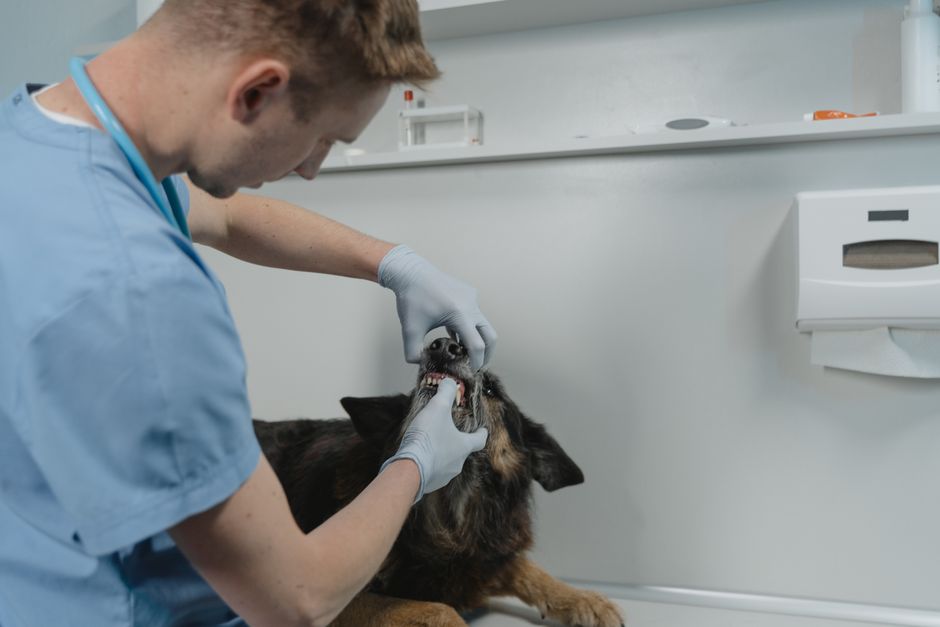
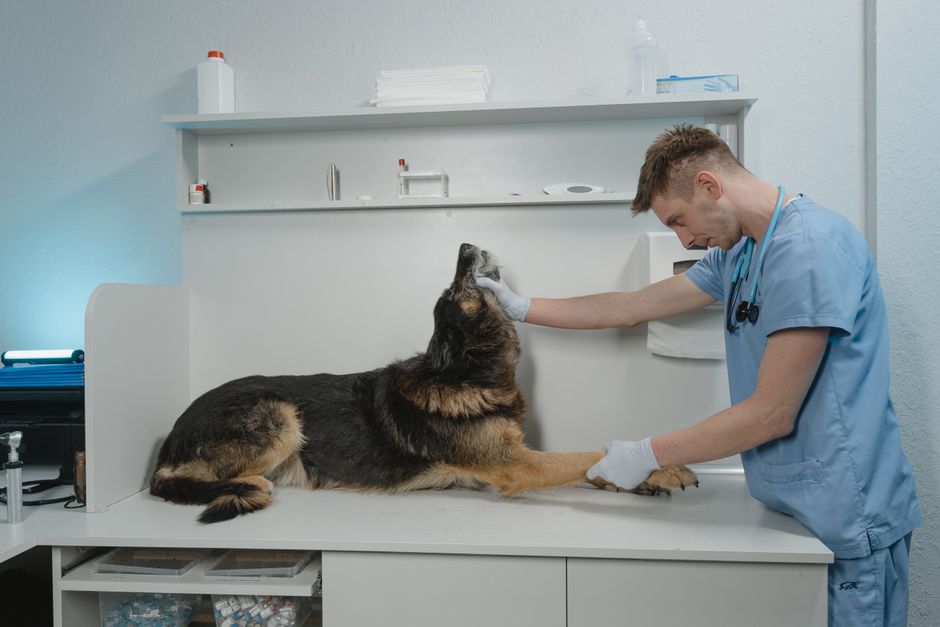
When you bring your dog to the clinic, our team will assess their condition, possibly induce vomiting if it is safe and indicated, and may administer activated charcoal to help absorb any remaining ibuprofen. Depending on how much was ingested and how long it has been, we may recommend hospitalization for intravenous fluids, medications to protect the stomach, and close monitoring of kidney and liver function. Early, aggressive treatment gives your dog the best chance for recovery.
It is understandable to want to relieve your dog's discomfort, but human pain relievers like ibuprofen and acetaminophen can be extremely dangerous. The safest course is always to consult your veterinarian before giving your dog any medication. Our team at Pet Care On Highland offers a range of pain management, monitoring, and anesthesia services tailored specifically for dogs. We use medications and therapies that are proven safe and effective for pets, and we customize pain relief plans to your dog's unique needs.
If your dog is showing signs of pain—such as limping, whining, reluctance to move, or sudden behavior changes—schedule an appointment for a thorough evaluation. We will determine the underlying cause and recommend the most appropriate treatment to keep your dog comfortable and healthy.
Preventing accidental poisoning starts with pet-proofing your home. Always store ibuprofen and other medications in secure cabinets or containers that are out of your dog's reach. Never leave pill bottles on countertops, nightstands, or in purses where curious noses might find them. Remind all family members and visitors that human medications should never be given to pets.
If your dog requires pain relief, only give medications prescribed by your veterinarian. Be cautious with flavored chewable medications or gel-caps, as dogs may find these especially tempting. Keep the phone number for your veterinary clinic and an emergency animal hospital handy in case of accidental exposure.
By taking these precautions and educating everyone in your household, you can greatly reduce the risk of accidental ingestion.
Acting quickly is critical if your dog has ingested ibuprofen. Do not wait for symptoms to develop, as some damage can occur before you notice any outward signs. Contact your veterinarian or an emergency clinic right away, even if you are unsure how much was consumed. The team at Pet Care On Highland is ready to provide urgent care and sick visits for situations just like this, ensuring your dog receives prompt and expert attention.
For other medication-related concerns, including if your dog accidentally eats acetaminophen or chocolate, our website provides additional resources to help you take the right steps. Early intervention can mean the difference between a quick recovery and a life-threatening emergency.
Ibuprofen may be a go-to remedy for humans, but it is never safe for dogs. Even a small amount can lead to serious health problems, and the consequences of ibuprofen toxicity can be severe. If you are ever in doubt, the safest option is to contact your veterinary team for advice.
Here in Lakeland and the surrounding communities, Pet Care On Highland is committed to keeping your pets safe and healthy. If you are searching for a dependable "vet near me" who understands the dangers of dog ibuprofen and can provide expert care, look no further than our experienced veterinary team. If you have questions, need to schedule an appointment, or are facing an urgent situation, call us at (863) 937-7914 or visit our location at 222 W Highland Dr, Lakeland, FL 33813.
Remember, professional guidance is always the best approach when it comes to your dog's health. For more information about what to do if your dog ate ibuprofen, explore our website or reach out to our caring team. Your dog's wellbeing is our top priority—let us help you keep them safe from the hidden dangers of dog ibuprofen.