If your dog is limping, whining, or showing signs of pain, it’s natural to want to offer quick relief. Many pet owners in Lakeland and surrounding communities wonder if human medications like ibuprofen are safe for their pets. At Pet Care On Highland, located at 222 W Highland Dr, Lakeland, FL 33813, our veterinary team frequently receives questions about the risks of dog ibuprofen use. In this blog, we’ll explain why ibuprofen is dangerous for dogs, discuss the symptoms of toxicity, and share safe, veterinarian-recommended alternatives for pain relief. We’ll also outline what to do if your dog accidentally ingests ibuprofen and how our clinic can support your pet’s health. Our goal is to help you make the best decisions for your dog’s wellbeing and to guide you in finding safe solutions for pain management.
Understanding the risks of dog ibuprofen is crucial for keeping your furry friend safe. Even a single tablet can cause severe health problems in dogs. Because dogs metabolize medications differently than humans, substances that are safe for people can be toxic to pets. When a dog consumes ibuprofen—whether intentionally or by accident—the effects can develop rapidly, sometimes within just a few hours.
Key symptoms of ibuprofen toxicity include vomiting, diarrhea, and loss of appetite. Additional warning signs are drooling, abdominal pain, and black or bloody stools. In more serious cases, dogs may develop lethargy, weakness, increased thirst or urination, and even seizures. If you notice any of these signs, especially after suspecting or confirming ibuprofen ingestion, it’s vital to seek veterinary attention right away.
It’s important to remember that not all symptoms are immediately obvious. Sometimes, the initial signs may be mild, making it easy to overlook a potentially serious problem. As the medication continues to affect your dog’s body, more severe symptoms can emerge, so monitoring your pet closely is essential if you think they might have been exposed.
Ibuprofen belongs to a class of drugs known as non-steroidal anti-inflammatory drugs (NSAIDs). While NSAIDs can reduce pain and inflammation in people, dogs are highly sensitive to these medications. Ibuprofen can cause damage to your dog’s gastrointestinal tract, kidneys, and liver, even at low doses.
The primary reason ibuprofen is so dangerous for dogs is that it interferes with the protective lining of the stomach and intestines. This can lead to ulceration, bleeding, and severe gastrointestinal distress. Additionally, ibuprofen reduces blood flow to the kidneys, which can result in kidney failure, especially in pets with underlying health conditions or those who ingest large amounts. In some cases, neurological symptoms such as confusion, tremors, or seizures may develop as the toxicity progresses.
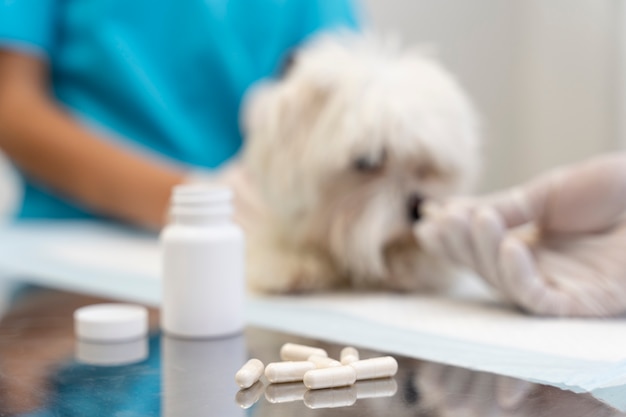
It’s also worth noting that flavored or chewable ibuprofen formulations can be especially appealing to curious dogs. Medications left on countertops, in purses, or within reach of pets pose a significant risk. Even small doses intended for children can be harmful to dogs, as their bodies are not able to process these substances safely.
If your dog is in pain, it’s essential to avoid giving any human medication without consulting your veterinarian. There are safe and effective pain management options specifically designed for dogs, many of which are only available through veterinary prescription. At Pet Care On Highland, our pain management services are tailored to each pet’s unique needs, ensuring both comfort and safety.
Treatment for ibuprofen toxicity depends on how much was ingested and how quickly your dog receives care. If caught early, your veterinarian may induce vomiting to prevent further absorption and administer activated charcoal to bind any remaining drug in the stomach. Supportive therapies often include intravenous fluids to protect the kidneys, medications to reduce stomach acidity, and drugs to promote healing of the gastrointestinal lining. In severe cases, hospitalization and intensive monitoring may be necessary.
For ongoing pain management, veterinarians may prescribe pet-safe NSAIDs or alternative therapies, such as laser therapy, joint supplements, or physical rehabilitation. These options are carefully dosed and monitored to minimize risks and maximize your dog’s comfort. The key is to work closely with your veterinary team, who can recommend the best and safest approach for your pet’s specific situation.
Keeping your dog safe from accidental exposure starts with simple, practical steps at home. Always store medications in secure cabinets or drawers, well out of reach of curious pets. Never leave pills on counters, nightstands, or in bags where your dog might find them. If you use pill organizers or carry medications with you, make sure they are kept in places inaccessible to your dog.
Additionally, educate family members and visitors about the dangers of dog ibuprofen toxicity. Remind everyone in your household that sharing human medications with pets can be life-threatening. If you need to dispose of unused or expired medications, follow proper disposal guidelines to prevent accidental exposure. The health and wellness services at our clinic include guidance on home safety and medication management, so do not hesitate to ask for advice during your pet’s next wellness visit.
When in doubt, always contact your veterinarian before administering any medication to your dog. Many pet owners have good intentions but are unaware of the potential risks. By consulting with veterinary professionals, you can ensure that your pet receives the safest and most effective care possible.
Immediate veterinary attention is critical if you suspect your dog has ingested ibuprofen. Time is of the essence, as prompt treatment can significantly improve outcomes and reduce the risk of long-term complications. If you witness your dog consuming a pill, find a chewed medication bottle, or notice concerning symptoms, call your veterinarian right away.
Do not attempt to treat or induce vomiting at home unless specifically instructed by a veterinary professional. Some interventions can make the situation worse or cause additional harm. When you call or visit our veterinary team at Pet Care On Highland, be prepared to share details about the type and amount of medication, when it was ingested, and any symptoms you have observed. This information helps us determine the best course of action.
If your pet requires urgent evaluation, our urgent care and sick visit services are available to provide immediate support. Early intervention is the most effective way to protect your dog’s health and wellbeing.
The dangers of dog ibuprofen cannot be overstated. Even small amounts can cause serious harm, so it is never safe to give your dog ibuprofen or other human pain relievers. If your pet is experiencing pain or discomfort, our veterinary team at Pet Care On Highland is here to help you find safe, effective solutions. When searching for a veterinarian near me or wondering how to keep your pet protected in Lakeland and surrounding communities, know that our experienced team is committed to your dog’s wellbeing.
If you have any concerns about pain management, possible medication exposure, or need guidance on keeping your pet safe at home, please schedule an appointment with us. You can reach our Lakeland veterinary clinic at (863) 937-7914 or visit us at 222 W Highland Dr, Lakeland, FL 33813. Our compassionate veterinarians are always ready to answer your questions and provide expert care. Explore our pain management services or urgent care and sick visits if your pet needs immediate attention.
For more information on pet safety and health, consult trusted veterinary resources such as the ASPCA Animal Poison Control Center or the American Veterinary Medical Association. Remember, we are your local partner for safe, responsible pet care, and we are here whenever you need us.