As summer temperatures soar in Lakeland and the muggy Florida humidity settles in, concerns about heatstroke in dogs and cats grow with each hot day. Many pet owners wonder how to keep their beloved companions safe during outdoor walks, backyard play, or even car rides around town. At Pet Care On Highland, located at 222 W Highland Dr, Lakeland, FL 33813, we know how quickly pets can get into trouble when the mercury rises. This blog will help you recognize the warning signs of heatstroke in dogs and cats, explain why it happens, guide you through emergency actions, and share practical tips to keep your pet cool and safe all summer long. Our experienced veterinary team is committed to offering preventive care and urgent support for pet owners in Lakeland and surrounding communities. By the end of this article, you’ll feel empowered to protect your dog or cat from overheating and know exactly when to reach out for help.
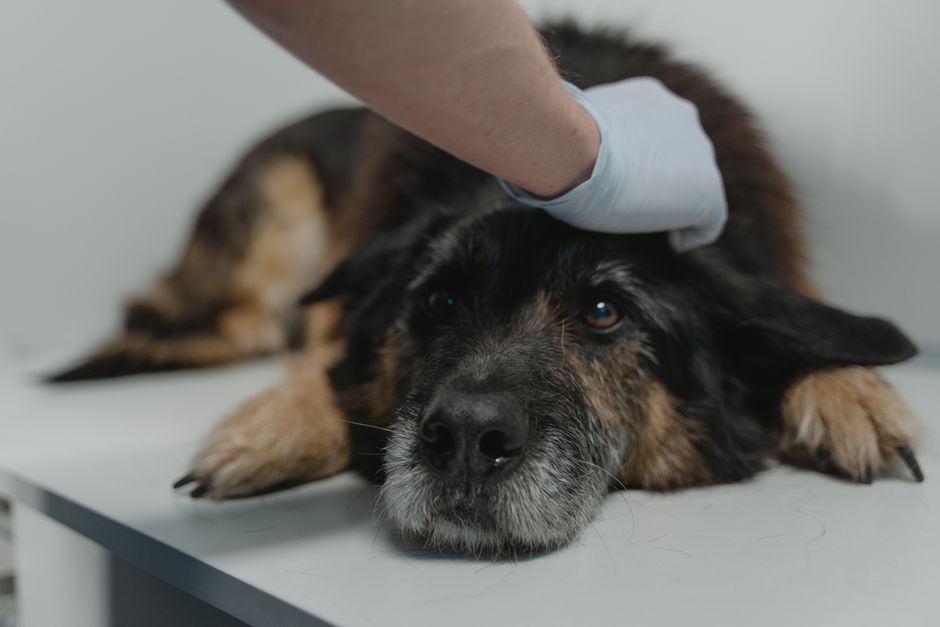
One of the most important parts of summer pet safety is being able to spot the early signs of heatstroke. Unlike humans, dogs and cats cannot sweat the way we do; their main way of cooling down is by panting, which becomes much less effective when the air is hot and humid. Key symptoms of heatstroke in pets include excessive panting, drooling, and restlessness. You might notice your dog seeking shade or lying flat on cool surfaces, while cats may appear lethargic and less responsive to interaction. As heatstroke progresses, more serious signs can develop, such as vomiting, diarrhea, unsteady walking, bright red gums, rapid heart rate, and even collapse or seizures. If your pet’s tongue or gums look dark or bluish, this is a red flag that oxygen levels are dropping and immediate action is necessary.
It’s especially important to watch for these symptoms after exercise, during outdoor activities, or if your pet has been left in a poorly ventilated area. Some animals are more at risk, including puppies and kittens, older pets, those with thick coats, flat-faced breeds like Bulldogs and Persians, overweight pets, and animals with underlying respiratory or heart conditions. Recognizing these symptoms early can mean the difference between a quick recovery and a life-threatening emergency.
Lakeland’s climate creates the perfect storm for pet heatstroke. High temperatures combined with humidity make it difficult for dogs and cats to cool themselves through panting. When a pet’s body temperature rises above normal and stays elevated, their organs can quickly become damaged.
Common causes of heatstroke in pets include being left in parked cars, even for a few minutes, exercising vigorously in the heat, or simply being outdoors during the hottest part of the day. Asphalt and concrete can become scorching, burning paws and reflecting radiant heat upward onto your pet’s body. In some cases, pets may also develop heatstroke inside the home if air conditioning fails or if they do not have access to water and shade.
Certain breeds are especially vulnerable. Brachycephalic (flat-faced) breeds such as Pugs, Boxers, Bulldogs, Persians, and Himalayans have a harder time breathing and cooling down. Pets with thick or dark coats, those who are overweight, and animals with chronic illnesses face increased risk. The heat index in Florida often climbs quickly, and even brief exposure can be dangerous.
If you suspect your dog or cat is suffering from heatstroke, immediate action is vital. Start by moving your pet to a shaded, cool area, offering small amounts of cool (not ice-cold) water, and wetting their fur with room-temperature water to help lower their body temperature. Avoid using ice or very cold water, as this can cause blood vessels to constrict and slow down cooling.
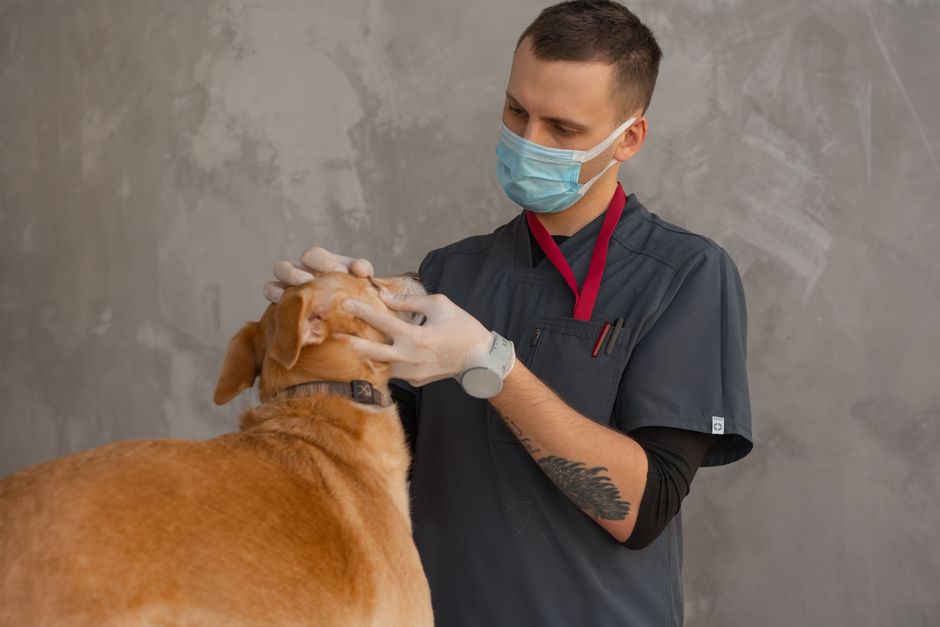
Once you’ve started first aid, it’s essential to seek veterinary care right away. When you arrive at Pet Care On Highland, our veterinary team will assess your pet’s temperature, hydration status, and overall condition. Treatment approaches may involve intravenous fluids to combat dehydration and support organ function, oxygen therapy if breathing is compromised, and careful monitoring for complications such as shock, heart irregularities, or organ damage. Blood work may be performed to check for kidney or liver issues. In severe cases, your pet may require hospitalization for ongoing monitoring and supportive care.
Prompt intervention is often the key to a full recovery, and our modern facility is equipped to provide the urgent care pets need during heat-related emergencies. For more information about what to expect during urgent visits, see our Urgent Care and Sick Visits page.
Prevention is always better than cure, especially when it comes to heatstroke. Simple adjustments to your daily routine can make all the difference. Walk your dog early in the morning or after sunset, when temperatures are cooler. Keep outdoor play sessions brief and always provide access to shade and plenty of fresh, cool water. Never leave your pet unattended in a parked car, even with the windows cracked, as temperatures inside can become deadly in minutes.
For cats, ensure that indoor spaces remain cool and well-ventilated. If your home is prone to power outages or lacks air conditioning, consider setting up fans, cooling mats, or providing frozen water bottles wrapped in towels for your cat to lie near. Monitoring indoor temperatures is especially important for elderly or chronically ill pets.
Grooming can also help; regular brushing removes excess fur and prevents matting, which can trap heat. However, avoid shaving double-coated breeds, as their coats help regulate both heat and cold. Always consult your veterinarian before making decisions about grooming or shaving.
Enrolling your dog or cat in a regular wellness examination helps ensure they are healthy and ready to handle summer’s challenges. Our team can offer personalized advice on heat safety based on your pet’s breed, age, and health status.
Knowing when to call the vet can save your pet’s life. If your dog or cat is showing any signs of heatstroke—such as heavy panting, drooling, vomiting, unsteady walking, or collapse—do not wait to see if they improve. Immediate cooling measures at home are important, but professional evaluation is critical to address dehydration, organ stress, and potential complications.
If your pet does not respond quickly to cooling or if symptoms worsen, contact our veterinary team at Pet Care On Highland right away. For emergencies outside of normal hours, refer to our After Hours Emergency resources for guidance on where to seek urgent care in the area.
Remember, rapid intervention is essential; heatstroke can progress quickly and become fatal if left untreated. Trust your instincts—if you are concerned, it is always best to err on the side of caution and reach out for professional help.
Summer in Lakeland, FL, offers plenty of opportunities for outdoor adventure, but it also brings real risks for dogs and cats. By learning to recognize the signs of heatstroke, understanding why pets are vulnerable in Florida’s climate, and taking steps to prevent overheating, you can ensure your dog or cat stays safe and happy all season long.
If you ever notice symptoms of heatstroke or have concerns about your pet’s health during the hot months, schedule an appointment with our veterinary team as soon as possible. Pet Care On Highland is here to provide expert care, practical advice, and compassionate support for families throughout Lakeland and surrounding communities. For those searching for a "vet near me" who understands local summer challenges, our dedicated professionals are ready to help.
To schedule a visit or speak with our team, call (863) 937-7914 or stop by our convenient location at 222 W Highland Dr, Lakeland, FL 33813. Your pet’s safety and comfort are always our top priorities.
This blog is for informational purposes only and should not replace professional veterinary care. Always consult your veterinarian for specific health concerns or emergencies.