If you’ve ever reached for an over-the-counter pain reliever when your dog seems sore or uncomfortable, you’re not alone. Many pet owners in Lakeland and surrounding communities wonder if medications like ibuprofen—which are so common in human medicine—are safe for their dogs. Unfortunately, the answer is no: dog ibuprofen use can be extremely dangerous and is never recommended without direct veterinary supervision. At Pet Care On Highland, located at 222 W Highland Dr, Lakeland, FL 33813, our experienced veterinary team is committed to helping pet owners avoid common medication mistakes and find safe, effective pain relief for their dogs. In this blog, we’ll explain why ibuprofen is unsafe for dogs, describe the signs of toxicity, discuss what to do if your dog ingests ibuprofen, and offer safer alternatives for managing pain. Read on to keep your dog healthy and protected.
Pet owners often want to help their dogs feel better quickly, especially when a dog is limping after a long walk, recovering from surgery, or showing signs of arthritis pain. The temptation to reach for human medications like ibuprofen is understandable, but this well-intentioned decision can create a medical emergency. Dog ibuprofen toxicity is unfortunately common because ibuprofen products are readily available in most homes and can be accidentally dropped or intentionally given by owners who may not realize the risks.
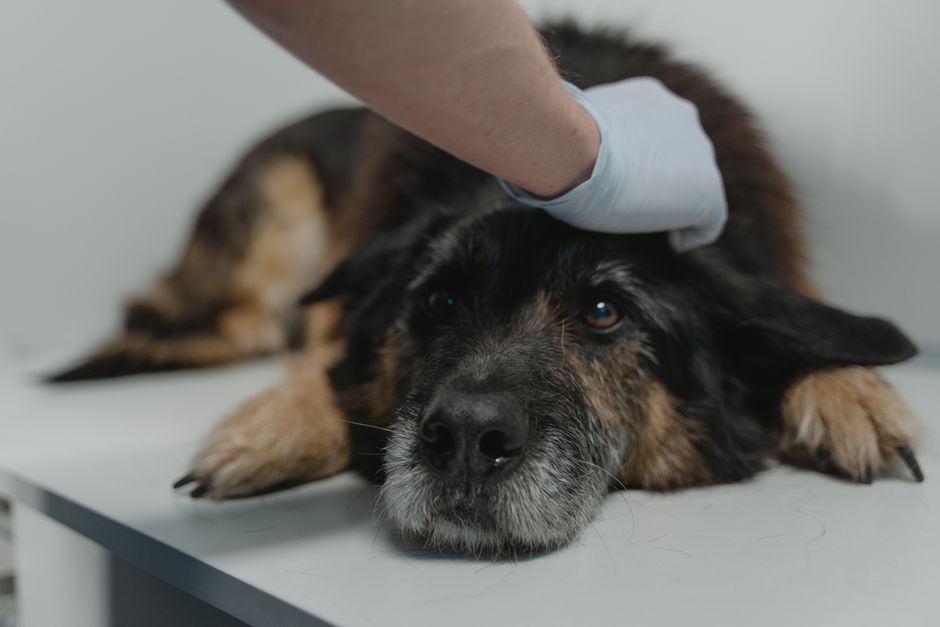
Key symptoms of ibuprofen toxicity in dogs include vomiting, loss of appetite, drooling, and abdominal pain. As the condition worsens, dogs may develop black or tarry stools, lethargy, weakness, and even seizures. In some cases, dogs may collapse or show signs of kidney failure such as increased thirst and urination. If you notice any of these symptoms and suspect your dog may have ingested ibuprofen, it’s important to act quickly.
Unlike humans, dogs are much more sensitive to the effects of non-steroidal anti-inflammatory drugs (NSAIDs) like ibuprofen. Even a small dose can be toxic, causing serious health problems. Ibuprofen works by inhibiting enzymes that produce inflammation and pain, but in dogs these same enzymes are vital for protecting the stomach lining, supporting kidney function, and maintaining normal blood flow.
When a dog ingests ibuprofen, the drug can quickly damage the stomach and intestinal lining, leading to ulcers and bleeding. At higher doses, ibuprofen can interfere with kidney function, resulting in acute kidney failure. Neurological effects such as tremors, disorientation, and seizures can also occur if a dog consumes a large amount.
Certain factors may increase your dog’s risk of ibuprofen toxicity, such as pre-existing kidney disease, liver problems, or the use of other medications. Puppies and small breed dogs are especially vulnerable because even a single tablet can exceed the toxic threshold for their size. Furthermore, flavored chewable tablets or gel caps can be especially appealing to curious dogs, increasing the risk of accidental ingestion.
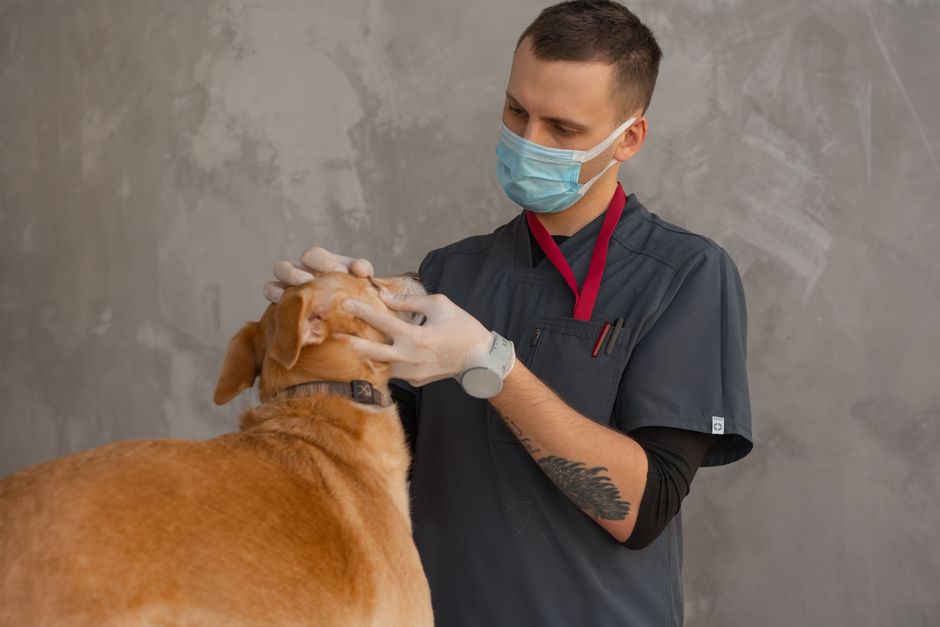
If your dog is experiencing pain or discomfort, it is essential to consult with a veterinarian before giving any medication. Professional pain management for dogs involves a thorough evaluation to determine the cause of pain and the safest, most effective treatment options.
Veterinary-approved NSAIDs such as carprofen, meloxicam, or deracoxib are carefully dosed and monitored to minimize side effects. In some cases, other medications like gabapentin or tramadol may be prescribed for chronic pain, arthritis, or post-surgical recovery. Non-medication approaches such as laser therapy, physical rehabilitation, and weight management can also play a key role in keeping your dog comfortable.
Our pain management, monitoring and anesthesia services at Pet Care On Highland are designed to provide individualized care for each dog’s needs. Our veterinary team will work with you to create a pain relief plan that is safe, effective, and tailored to your dog’s unique situation.
If you suspect your dog has consumed ibuprofen, treat the situation as an emergency. Do not wait for symptoms to appear, as early intervention is critical to your dog’s survival. Contact your veterinarian immediately or call an emergency animal poison control center for guidance.
Bring the medication packaging with you if possible so your veterinary team can determine the amount and type of ibuprofen involved. Never attempt to induce vomiting or administer any home remedies without professional advice, as these actions can sometimes make the situation worse.
At our clinic, we provide urgent care and sick visit services for dogs who have ingested toxic substances or are experiencing sudden illness. Treatment for ibuprofen toxicity may include inducing vomiting (if appropriate), administering activated charcoal to limit absorption, providing intravenous fluids, and monitoring vital signs closely. Hospitalization may be necessary for severe cases.
The best way to keep your dog safe from ibuprofen toxicity is through prevention. Store all medications, including over-the-counter pain relievers, in secure cabinets or containers that are out of your dog’s reach. Avoid leaving pill bottles on counters, nightstands, or in bags where curious noses can find them.
Never give your dog any human medication unless instructed by your veterinarian. If your dog is prescribed a medication that looks similar to your own, double-check the label before giving it. Regular health and wellness visits at Pet Care On Highland provide an opportunity to discuss pain management, medication safety, and any concerns you may have about your dog’s comfort or mobility.
If you have guests or children in your home, remind them to keep their medications out of reach. Accidental ingestion is more likely to happen when routines change, so take extra care during holidays, travel, or home renovations.
Seek veterinary care immediately if your dog has ingested ibuprofen or is showing symptoms of poisoning. Early treatment greatly improves the chances of a full recovery. Signs that require urgent attention include persistent vomiting, refusal to eat, blood in vomit or stool, sudden weakness, tremors, or unusual behavior.
Even if you’re unsure whether your dog swallowed ibuprofen, it’s better to err on the side of caution and call your veterinarian. At Pet Care On Highland, we encourage you to reach out to our veterinary team any time you have questions about your dog’s health or medication safety.
Ibuprofen may be a household staple for people, but it poses serious risks for dogs. Dog ibuprofen use can lead to gastrointestinal ulcers, kidney damage, and even death, making it essential to keep this medication out of your dog’s environment and always consult a veterinary professional before administering any drugs. If your dog is in pain, our team at Pet Care On Highland in Lakeland is here to help you find safe, effective solutions tailored to your dog’s needs.
If you’re searching for a veterinarian near me who truly understands the unique health needs of dogs in Lakeland and surrounding communities, look no further than Pet Care On Highland. Schedule an appointment today by calling (863) 937-7914 or visiting our Lakeland location. For more information about safe pain management options, explore our pain management, monitoring and anesthesia services. When it comes to dog ibuprofen safety, trust our compassionate veterinary professionals to guide you every step of the way.
This information is intended as general guidance and should not replace professional veterinary care. Always consult your veterinarian if you have concerns about your dog’s health or medication exposure.