August in Lakeland, Florida, brings sweltering temperatures and sticky humidity, making it a challenging month for both people and pets. As a devoted pet owner, you want to ensure your dog or cat stays comfortable, hydrated, and safe from the dangers of heat stress and overheating. At Pet Care On Highland, located at 222 W Highland Dr, Lakeland, FL 33813, our team of veterinarians understands how quickly the Florida climate can put your pet’s health at risk during summer. In this guide, we’ll explore the warning signs of heat stress in pets, explain why dogs and cats are so vulnerable to heat-related illness, offer practical prevention tips, and let you know when to seek professional veterinary care. Whether you’re taking your dog for a walk around the neighborhood or keeping your indoor cat cool, let our experienced veterinary team help you keep your furry friends safe and happy all summer long.
The first step in protecting your pet from summer dangers is knowing how to spot the early symptoms of overheating. Heat stress and heatstroke can progress rapidly, and prompt recognition is crucial for preventing serious complications. Key signs of heat stress in dogs include excessive panting, drooling, weakness, staggering, vomiting, diarrhea, and gums that appear bright red or pale. Cats, on the other hand, may display rapid or open-mouth breathing, restlessness, lethargy, drooling, an increased heart rate, or even collapse in severe cases.
It’s important to remember that not all pets show the same warning signs. Some may simply seem more tired than usual, retreat to cool or hidden areas, or refuse food and water. Brachycephalic breeds (such as Bulldogs, Pugs, and Persian cats), older pets, overweight animals, and those with underlying medical conditions are especially vulnerable to heat-related illness. If you notice any of these signs in your pet, move them to a cooler environment immediately and watch closely for worsening symptoms.
Lakeland’s August weather creates a perfect storm for heat-related problems. High humidity prevents pets from cooling themselves through panting, which is their primary method of lowering body temperature. Unlike humans, dogs and cats have very few sweat glands, located mostly in their paw pads, making it difficult for them to efficiently release excess heat.
The risk is heightened for pets that spend time outside during the hottest parts of the day. Asphalt sidewalks, driveways, and even backyard patios can become dangerously hot, leading not only to heat stress but also to burned paw pads. Additionally, pets left in parked cars—even for a few minutes—are at extreme risk, as temperatures inside a vehicle can skyrocket in seconds, even with windows cracked.
Certain breeds have an even harder time coping with the heat. Dogs and cats with flat faces, thick coats, or respiratory challenges struggle to release heat efficiently. Overexertion during walks, playtime, or exercise can quickly push a pet into dangerous territory, especially if shade and fresh water aren’t readily available.
If you think your dog or cat is experiencing heat stress, rapid action is essential. Immediately move your pet to a shaded or air-conditioned area. Offer small amounts of cool (not ice-cold) water to encourage gentle rehydration. Wetting your pet’s paws, ears, and belly with a damp cloth can help lower their body temperature, but avoid using ice or very cold water, as this can trigger shock.
Do not force your pet to drink or eat if they are refusing, and never attempt to cool them too quickly. Monitor your pet’s breathing and alertness closely. Even if your pet seems to recover quickly, heat stress can have delayed effects on internal organs. It’s always safest to have your pet evaluated by a veterinarian, especially if symptoms are severe or persist.
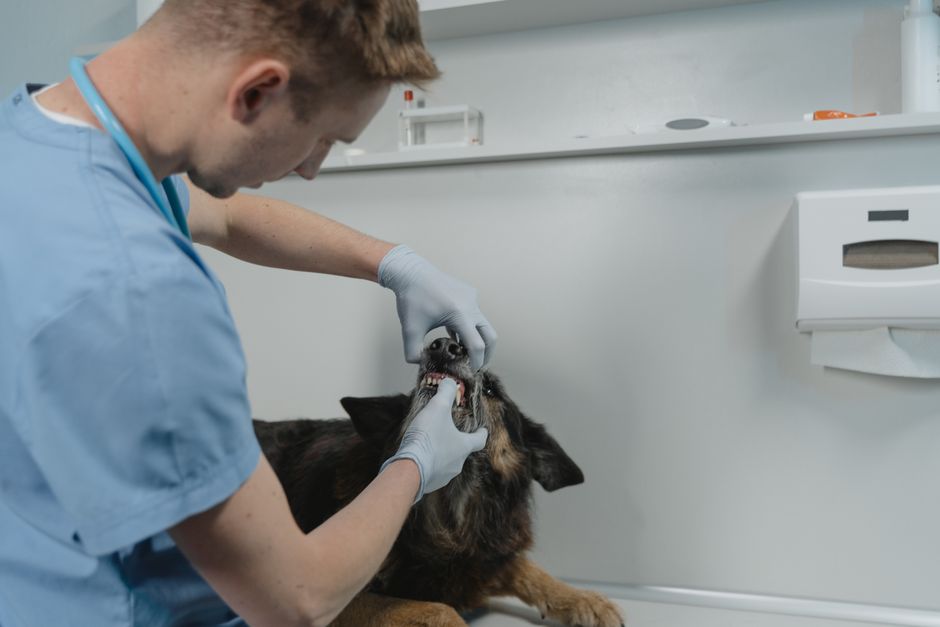
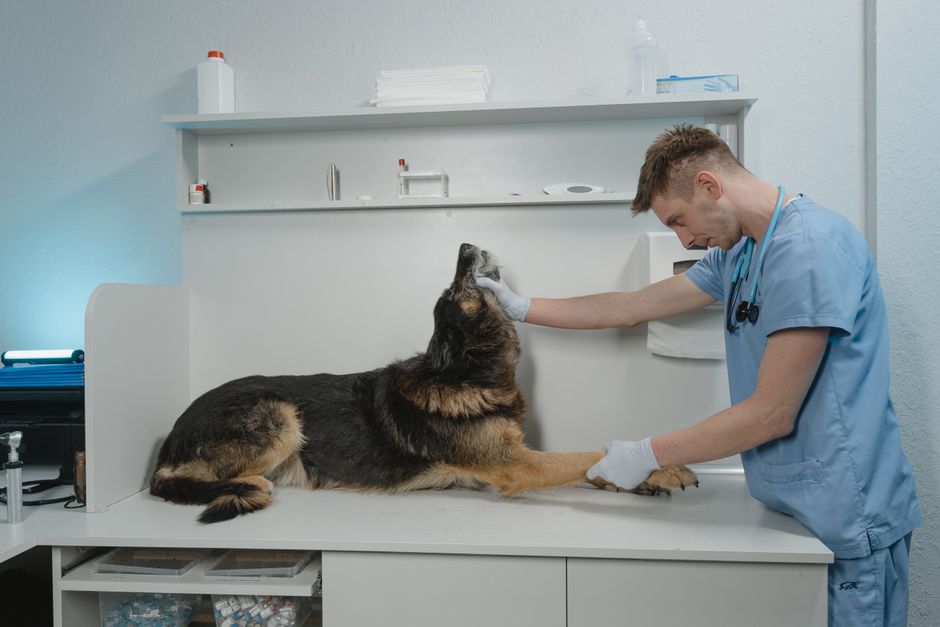
At Pet Care On Highland, our veterinary professionals are equipped to provide supportive care for pets suffering from heat stress. Treatment may involve intravenous fluids, oxygen therapy, careful monitoring of vital signs, and management of complications such as organ dysfunction or shock. Early intervention is the key to the best possible outcome for your pet.
If you are concerned about your pet’s condition, do not wait to seek help. For urgent situations, our clinic offers urgent care and sick visit veterinary services to provide prompt attention when your pet needs it most.
Prevention is always better than treatment when it comes to heat-related illness. In Lakeland’s August heat, thoughtful daily choices can make all the difference for your dog or cat’s wellbeing. Always provide plenty of fresh, cool water, and refresh water bowls frequently throughout the day. Ensure your pet has access to shade and shelter from the sun, both indoors and outdoors.
During walks or playtime, adjust your schedule to early mornings or late evenings when temperatures are lower and surfaces are not scorching hot. Test pavement with your hand before venturing out; if it’s too hot for you, it’s too hot for your pet’s paws. Indoor cats should have cool resting spots, fans, and air conditioning available. For thick-coated breeds, regular grooming can help reduce the risk of overheating.
Never leave your pet unattended in a parked car, even for a moment. On especially hot or humid days, it may be safest to keep your pet indoors. Consider using cooling mats, pet-safe paddling pools, or frozen treats to help your pet stay comfortable.
Routine health and wellness services for pets, including preventive care exams, are also important for identifying underlying conditions that may increase your pet’s risk in hot weather. Our team at Pet Care On Highland can help tailor a summer health plan that meets your pet’s unique needs.
Physical activity is important for your pet’s health, but it must be balanced with safety during the hottest months. For dogs, opt for shorter, slower walks and avoid strenuous activity on humid days. Bring water along and offer frequent breaks. If your pet enjoys swimming, always supervise around pools or lakes, and rinse fur thoroughly afterward to remove chlorine or algae.
Cats are usually less inclined to exercise outdoors, but indoor play can still lead to overheating if the house is warm. Offer toys in air-conditioned spaces and watch for signs of fatigue. Always encourage hydration by placing multiple water bowls around your home or using pet water fountains to entice your cat to drink more.
If you notice your pet panting heavily, seeking shade, or slowing down during activity, it’s time to stop and allow them to rest. Never push your pet to continue exercising if they seem uncomfortable in the heat.
Knowing when to call your veterinarian is crucial. If your dog or cat shows persistent or severe symptoms—such as collapse, confusion, vomiting, diarrhea, seizures, or difficulty breathing—immediate veterinary attention is needed. Heatstroke can lead to irreversible organ damage or death if not treated promptly.
Do not attempt to treat severe heat stress at home. Even mild cases should be evaluated if your pet does not recover quickly after cooling down. If you are unsure whether your pet needs professional care, err on the side of caution and contact our veterinary team for guidance.
At Pet Care On Highland, we are committed to providing prompt, compassionate care for pets in Lakeland and surrounding communities. If you ever need urgent assistance, our team is here to help.
Florida summers can be tough, but with the right knowledge and preparation, you can help your dog or cat stay safe, healthy, and comfortable all season long. By understanding the risks of heat stress, recognizing early warning signs, and taking proactive steps to prevent overheating, you are giving your pet the best chance for a happy, active summer.
When you have concerns about your pet’s health—whether it’s a question about summer safety, hydration, or any other aspect of their care—our team of veterinarians at Pet Care On Highland is here to support you. We encourage you to schedule an appointment for a preventive care exam, or reach out for same-day urgent care if your pet is showing signs of illness. For those searching for a veterinarian near me, you can trust our experienced team to deliver the care your pet deserves.
For more information about keeping your pet healthy all year long, explore our health and wellness services or contact us directly at (863) 937-7914. If you need to visit us in person, you’ll find our welcoming clinic at 222 W Highland Dr, Lakeland, FL 33813.
Let us help you keep your pets cool, comfortable, and safe through every Florida summer.
Disclaimer: This blog is intended for informational purposes only and should not replace professional veterinary advice. Always consult your veterinarian for specific concerns about your pet’s health. If you believe your pet is experiencing a medical emergency, seek immediate veterinary care.