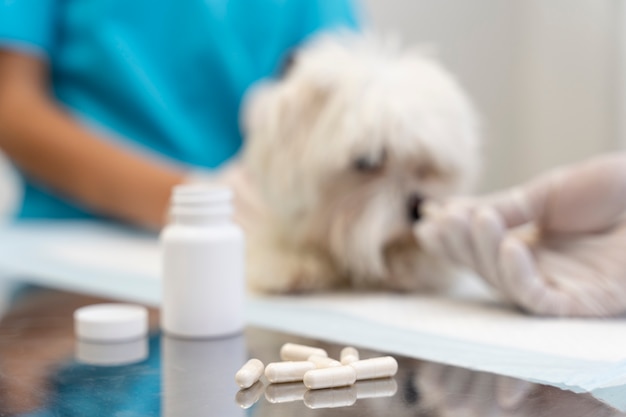
Winter in Lakeland, FL, is a unique season for pet owners. While February here does not bring freezing temperatures or snow, the subtle shifts in our local climate can still affect your pet’s health and happiness. At Pet Care On Highland, located at 222 W Highland Dr, Lakeland, FL 33813, our veterinary team understands that your furry family members deserve the very best care—no matter the time of year. With mild temperatures, occasional rain, and a mix of cool and warm days, it is important for pet owners in Lakeland and surrounding communities to remain vigilant about seasonal challenges that can impact their pets’ wellbeing.
In this blog, we will explore how to keep your pets safe and thriving during our region’s mild winter months. You will learn how to recognize signs of seasonal allergies, manage your pet’s activity levels as the weather shifts, and prevent common weather-related health issues unique to Florida’s winter. Our experienced veterinarians will also share practical tips for at-home care and explain when it is best to bring your pet in for a visit. If you have questions about your pet’s health or need a comprehensive wellness examination, our team at Pet Care On Highland is ready to help you schedule an appointment and support your pet’s wellbeing year-round.
Even in a place as temperate as Lakeland, pets can experience health challenges during the winter season. While our climate spares us from snow and ice, the cooler temperatures, increased dampness, and fluctuating weather patterns introduce their own set of concerns for pet owners. Understanding the signs that your pet might be struggling with seasonal changes is the first step in keeping them comfortable and healthy.
Common signs that your pet may be affected by the winter season include changes in energy levels, such as appearing less playful or sleeping more than usual. Increased scratching, sneezing, watery eyes, or licking at their paws can signal seasonal allergies, which are not uncommon during Florida’s winter due to pollen surges and mold from damp conditions. You may also notice that your pet’s skin appears dry or flaky, particularly if indoor heating is used and the air becomes less humid. Limping or stiffness after rest, reluctance to go outside, or changes in urination habits may indicate that cooler temperatures are aggravating arthritis or other mobility issues, especially in older pets.
Additionally, while less common in our region, respiratory discomfort or coughing can appear if your pet has pre-existing sensitivities or if there have been sudden cold snaps. Monitoring your pet closely for any changes in behavior, appetite, or physical condition during winter will help you catch potential issues early.
The unique climate of Lakeland, with its mild winters, presents both benefits and risks for pets. While extreme cold is not a major concern, the cooler, wetter months often bring about spikes in allergens such as pollen, grasses, and mold spores. These environmental triggers can lead to an uptick in itchy skin, respiratory irritation, and watery eyes for sensitive pets. Rain and higher humidity can foster fungal growth outdoors and may contribute to ear infections, especially in dogs with floppy ears or those who enjoy rolling in damp grass.
Physical activity patterns may change during the winter as well. Some pets might become less active due to chilly mornings or damp yards, leading to weight gain or pent-up energy that could result in unwanted behaviors. Conversely, others may become more restless as the cooler air feels invigorating, increasing their risk of minor injuries or over-exertion.
Another consideration is the use of heating indoors, which can reduce humidity and dry out your pet’s skin. This is especially noticeable in short-haired breeds or those with pre-existing skin conditions. Although it is rare, sudden cold snaps can still happen and may pose a risk for very young, elderly, or thin-coated pets, as they are less able to regulate their body temperature.
Understanding how these factors interplay during a Florida winter will help you anticipate and address potential health concerns before they become significant issues.
When your pet’s health is affected by seasonal changes, professional veterinary care can make all the difference. At Pet Care On Highland, our veterinarians take a comprehensive approach to winter wellness, beginning with a thorough physical examination to assess your pet’s skin, coat, ears, respiratory system, and overall condition. If seasonal allergies are suspected, we may recommend testing or suggest medications, topical treatments, or dietary adjustments to manage symptoms. For pets experiencing skin dryness or irritation, our team can provide guidance on safe moisturizing products and the use of humidifiers at home.
For older pets or those with arthritis, we offer tailored pain management solutions, including safe medications and therapies designed to enhance comfort and mobility during colder months. Our health and wellness services allow us to monitor chronic conditions and adjust treatment plans as needed, ensuring your pet continues to thrive throughout the season.
If your pet develops an ear infection due to increased moisture or allergies, prompt veterinary attention is crucial. Treatment may involve ear cleaning, prescription drops, and follow-up care to prevent recurrence. Should your pet suffer from respiratory distress or a sudden decrease in activity, our diagnostic capabilities—such as digital radiology and laboratory testing—enable us to identify the underlying cause and deliver appropriate treatment quickly.
For urgent concerns that cannot wait for a scheduled appointment, our urgent care and sick visits provide timely support for pets in need of immediate medical attention. Our team is here to help you navigate any unexpected health challenges your pet may encounter during the winter months.
Proactive home care is essential for keeping your pets comfortable and healthy during Lakeland’s winter. Regular grooming helps remove allergens and keeps the skin and coat in optimal condition. Bathing with a gentle, veterinarian-recommended shampoo can soothe dry or itchy skin, but it is important not to over-bathe, as this may strip away natural oils. Brushing your pet daily helps distribute those oils and can reduce shedding or matting that sometimes worsens in damp conditions.
Maintaining a consistent exercise routine, even when the weather is unpredictable, supports your pet’s physical and mental health. For dogs, shorter but more frequent walks may be preferable on cooler or rainy days, while indoor play sessions offer stimulation when outdoor conditions are less inviting. For cats, interactive toys, scratching posts, and window perches create opportunities for movement and mental enrichment.
Monitoring your home’s humidity and air quality is also beneficial. Using a humidifier can combat dryness caused by indoor heating, and keeping your pet’s bedding clean and dry helps prevent skin irritation and infections. For pets prone to allergies, wiping their paws and coat after outdoor walks can minimize exposure to irritants.
Nutrition plays a role as well. Ensuring your pet’s diet is balanced and appropriate for their age, weight, and activity level will help them maintain a healthy immune system throughout the season. Always provide access to clean, fresh water, and avoid sudden changes in diet that might upset their digestive system.
If you notice signs of dental discomfort or bad breath during the winter, it may be time for a professional pet dental cleaning, as oral health can impact your pet’s overall wellbeing year-round.
Knowing when to seek veterinary care is vital for your pet’s health. Some seasonal symptoms can be managed at home, but others require professional evaluation. If your pet displays persistent itching, skin lesions, hair loss, or ongoing respiratory symptoms such as coughing or wheezing, it is important to schedule a visit with your veterinarian. Joint stiffness that does not improve with gentle exercise, sudden lameness, or reluctance to move should also be assessed promptly, as these may indicate worsening arthritis or injury.
Ear infections often present as head shaking, scratching at the ears, redness, or a foul odor; these symptoms should not be ignored, as untreated infections can cause lasting discomfort and complications. If your pet experiences lethargy, loss of appetite, vomiting, diarrhea, or significant behavioral changes, prompt veterinary attention is necessary to rule out more serious underlying conditions.
For non-urgent winter health concerns, booking a wellness examination with our veterinary team at Pet Care On Highland allows us to catch emerging issues early and provide tailored recommendations for your pet’s specific needs. If you ever feel unsure about your pet’s symptoms, our team is always available to answer your questions and guide you on the next best steps.
Lakeland’s mild winter offers a wonderful environment for pets to enjoy, but it also requires attentive care and awareness from pet owners. By recognizing the subtle signs of seasonal health issues, understanding the impact of our local climate, and embracing proactive wellness strategies, you can help your pet stay comfortable and vibrant through every season.
If you are searching for a veterinarian near me who truly understands the unique needs of Lakeland pets, look no further than Pet Care On Highland. Our experienced veterinary professionals are dedicated to providing comprehensive, compassionate care for your furry family members. Whether you need advice on managing seasonal allergies, support for chronic health conditions, or preventive services like wellness exams and dental care, we are here to help.
To schedule an appointment or discuss any concerns about your pet’s winter health, call us at (863) 937-7914 or visit us at 222 W Highland Dr, Lakeland, FL 33813. Your pet’s wellbeing is our top priority, and we look forward to partnering with you for a healthy, happy season ahead.
For more information on winter pet care or to explore our full range of services, visit our website or contact our veterinary professionals directly. If your pet is experiencing a medical emergency, please refer to our urgent care page or reach out for immediate assistance.