Florida’s summer afternoons often bring dramatic thunderstorms, complete with booming thunder, flashes of lightning, and heavy downpours. While these storms create a familiar soundtrack for Lakeland residents, they can be a source of significant stress for dogs and cats. If you notice your pet trembling, hiding, or acting distressed as the skies darken, you are not alone. At Pet Care On Highland, located at 222 W Highland Dr, Lakeland, FL 33813, our experienced veterinary team understands how Florida’s weather can impact your pet’s well-being. This blog will guide you through recognizing anxiety in your pet, understanding why it happens, and exploring both home strategies and veterinary options to help your pet stay calm and safe during stormy weather.
You will learn how to identify early signs of storm anxiety, discover effective ways to comfort your dog or cat, and know when it is time to reach out for professional support. Whether you are in Lakeland or nearby communities, our team at Pet Care On Highland is here to offer compassionate care and practical solutions for keeping your pet comfortable during even the loudest summer storms.
Many pet owners first realize their pet is anxious during a thunderstorm when they see dramatic behavioral changes. Understanding what to look for can help you intervene early and provide comfort before anxiety escalates.
Common signs of storm anxiety in dogs include trembling, pacing, panting, drooling, vocalizing (such as whining or barking), hiding under furniture, attempting to escape rooms or crates, and clinging closely to you. Some dogs may even display destructive behaviors, such as scratching at doors or chewing on objects, in an effort to escape or relieve stress.
Cats often show more subtle signs of anxiety. You may notice your cat hiding in closets or under the bed, becoming unusually quiet, or seeking extra reassurance by following you from room to room. In some cases, cats will groom excessively or have accidents outside the litter box during stressful storms.
Physical symptoms can also accompany behavioral changes. These may include dilated pupils, increased heart rate, or even vomiting and diarrhea in severe cases. Recognizing these early signs allows you to respond quickly, helping your pet feel safer as the storm moves in.
Thunderstorm anxiety is a complex issue, and several factors contribute to why some pets are more affected than others. Florida’s frequent and intense storms can trigger a cycle of anticipation and fear in pets who have previously been startled or frightened by loud noises.
Sensitivity to sound is one major factor. Dogs and cats have much keener hearing than humans; thunder that seems distant to you may sound overwhelming to your pet. The rumble of thunder, sudden claps, and the noise of heavy rain on the roof can all be distressing.
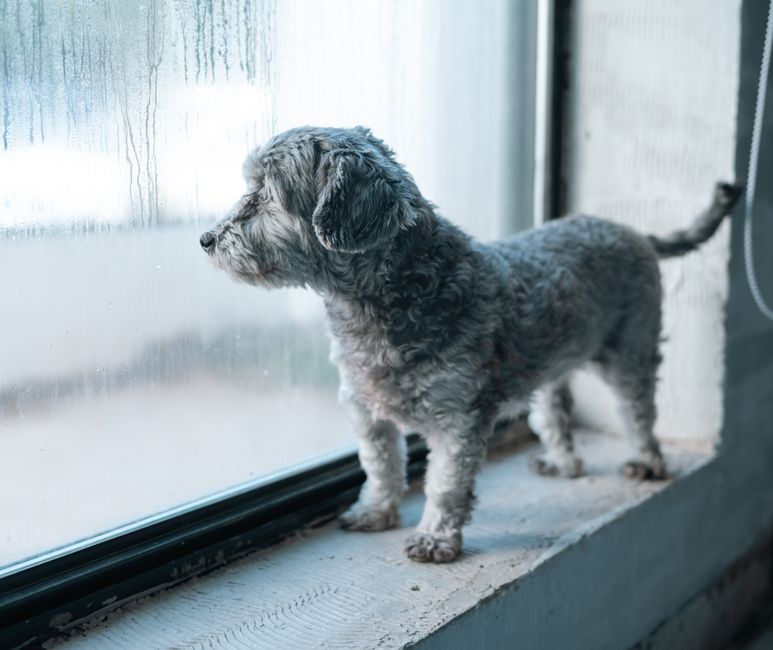
Changes in atmospheric pressure and the buildup of static electricity before a storm can also make pets uncomfortable. Some dogs and cats may sense these changes before the first drop of rain falls, starting to show anxiety even before you hear thunder.
In some cases, past traumatic experiences, such as being caught outside during a storm or being in a loud environment, can increase a pet’s sensitivity to storms. Genetics and personality play a role as well; certain breeds or individual pets are naturally more anxious or sensitive to changes in their environment.
If your pet struggles with thunderstorm anxiety, know that you have many options for helping them feel more secure. At Pet Care On Highland, our veterinary team takes a comprehensive approach to anxiety management, tailoring recommendations to your pet’s specific needs and history.
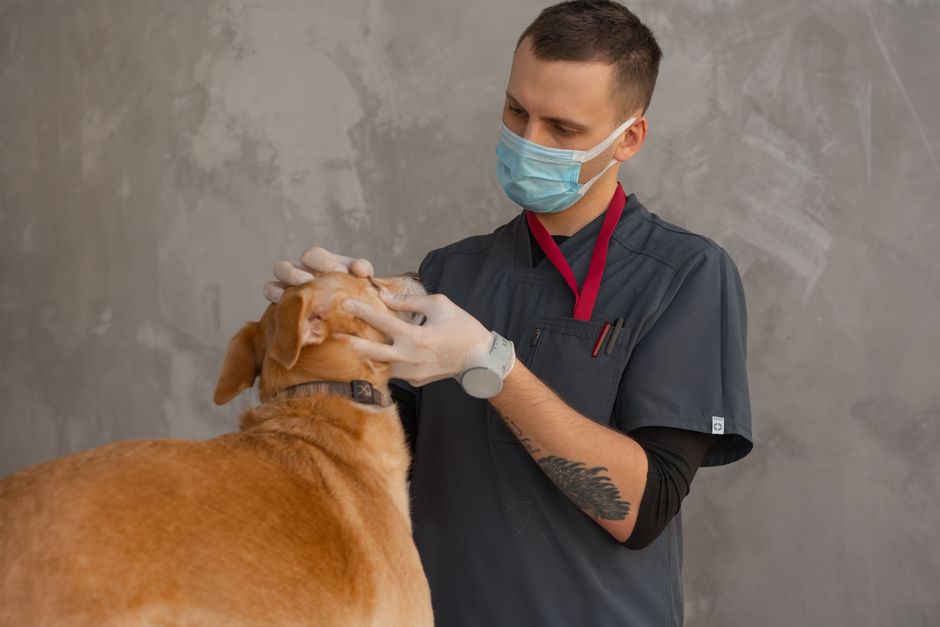
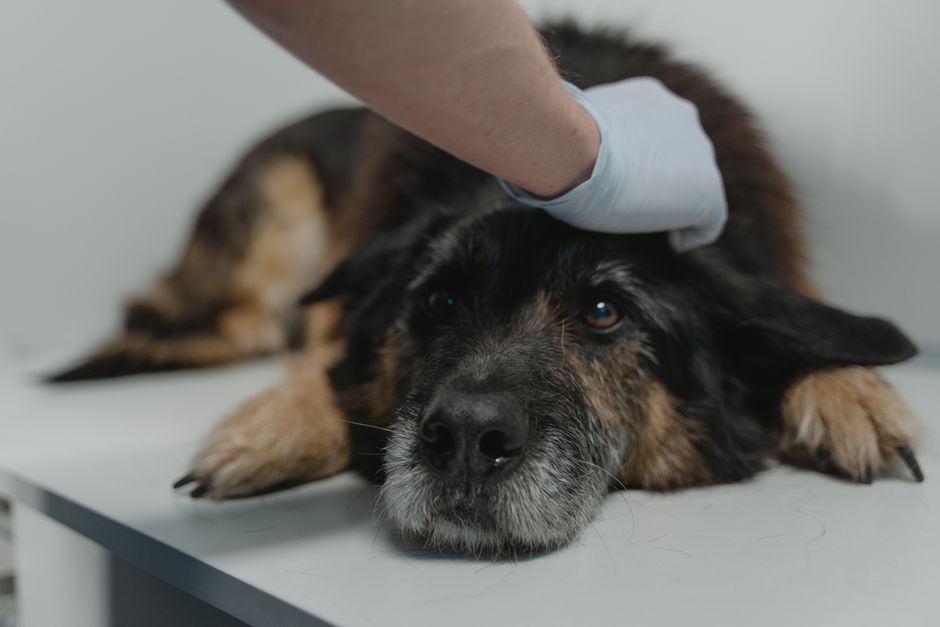
The first step is often a thorough evaluation to rule out any underlying health issues that could be contributing to your pet’s behavior. During a comprehensive health and wellness visit, we may discuss your pet’s anxiety triggers, frequency and severity of episodes, and any physical symptoms you have observed.
Treatment options for storm anxiety are wide-ranging. For mild to moderate anxiety, environmental modification and behavioral strategies can be very effective. Creating a safe, quiet space for your pet—such as a cozy room or crate with familiar bedding—gives them a refuge during storms. Some pets respond well to calming music or white noise, which can help mask thunder and rain sounds.
Calming pheromone diffusers and sprays, available for both cats and dogs, can create a sense of security by mimicking natural comforting scents. In other cases, compression garments like anxiety wraps may provide gentle, reassuring pressure that helps pets feel more grounded.
For pets with more severe anxiety, our veterinarians may recommend a combination of behavior modification and medication. Prescription anti-anxiety medications or fast-acting sedatives can be used on an as-needed basis during storms. Our team will discuss the benefits and possible side effects to make sure any medication plan is safe and appropriate for your pet’s age, health status, and lifestyle.
If pain or underlying health issues are contributing to your pet’s distress, we may also suggest integrating pain management and monitoring strategies to ensure your pet’s overall comfort.
While veterinary care is important for managing severe cases, many pets benefit from simple changes at home to help reduce anxiety. The goal is to create an environment where your dog or cat feels secure and protected.
Start by providing a designated safe area, such as a favorite room or crate, where your pet can retreat during storms. This space should be cozy, quiet, and away from windows. You can add familiar blankets, toys, or even an item of your clothing for extra comfort.
Keeping your pet indoors and close to you during a storm is helpful. Many pets take comfort in your presence, so staying calm and soothing can make a difference. Speaking in a relaxed, gentle voice and offering gentle petting or cuddling (if your pet finds touch reassuring) helps them associate storms with positive, calming experiences.
Closing windows and curtains can help reduce both the noise and visual stimulation from lightning flashes. Playing soft music, turning on a fan, or using a white noise machine can further mask the sounds of thunder and rain.
For pets who show early signs of anxiety, engaging them in interactive play or offering a favorite treat before the storm begins can help redirect their focus. Some owners find that starting these routines as soon as they notice signs of a coming storm helps reduce the severity of anxiety.
Pheromone diffusers, available for both cats and dogs, release calming scents that can help create a more peaceful environment. These products are safe for use around other pets and children.
It is important to avoid punishing or scolding your pet for anxious behaviors, as this can increase their stress. Instead, offer reassurance and comfort until the storm passes.
While many pets experience only mild anxiety during storms, some dogs and cats become so distressed that their quality of life is affected. If your pet shows severe symptoms—such as self-injury, destructive behavior, accidents in the house, or prolonged anxiety that continues after the storm ends—it is time to consult your veterinarian.
Our team at Pet Care On Highland encourages you to reach out if you feel your pet’s anxiety is getting worse or if your home care strategies are not effective. Through a combination of behavioral counseling, environmental change, and medical management, we can develop a personalized plan to help your pet feel more secure.
If your pet’s anxiety escalates suddenly, is accompanied by new symptoms, or if you are concerned about their health during or after a storm, schedule an appointment for an urgent care or sick visit. Our veterinary professionals will assess your pet and provide immediate support to keep them safe and comfortable.
Always remember that anxiety can sometimes mask or be related to other medical conditions, so a thorough veterinary evaluation is the safest way to ensure your pet’s well-being.
Florida’s summer storms can be tough on our pets, but understanding their needs and providing compassionate support goes a long way. By recognizing the signs of anxiety early, creating a safe home environment, and seeking veterinary guidance when needed, you can help your dog or cat weather any storm with greater comfort and confidence.
If you are looking for a "veterinarian near me" who truly understands the challenges of storm anxiety in Lakeland and the surrounding communities, Pet Care On Highland is here for you. Our veterinary team is dedicated to supporting both pets and their owners with expert advice, tailored treatment plans, and ongoing care throughout the year.
Do not let storm anxiety overshadow your summer. Schedule an appointment with our veterinarians or call us at (863) 937-7914 to discuss your pet’s needs. For more information about our services, visit us at 222 W Highland Dr, Lakeland, FL 33813. We are here to help your pet feel safe, calm, and cared for—rain or shine.
Medical disclaimer: The information provided in this blog is for educational purposes only and is not a substitute for professional veterinary advice. Always consult your veterinarian for specific concerns about your pet’s health and behavior.