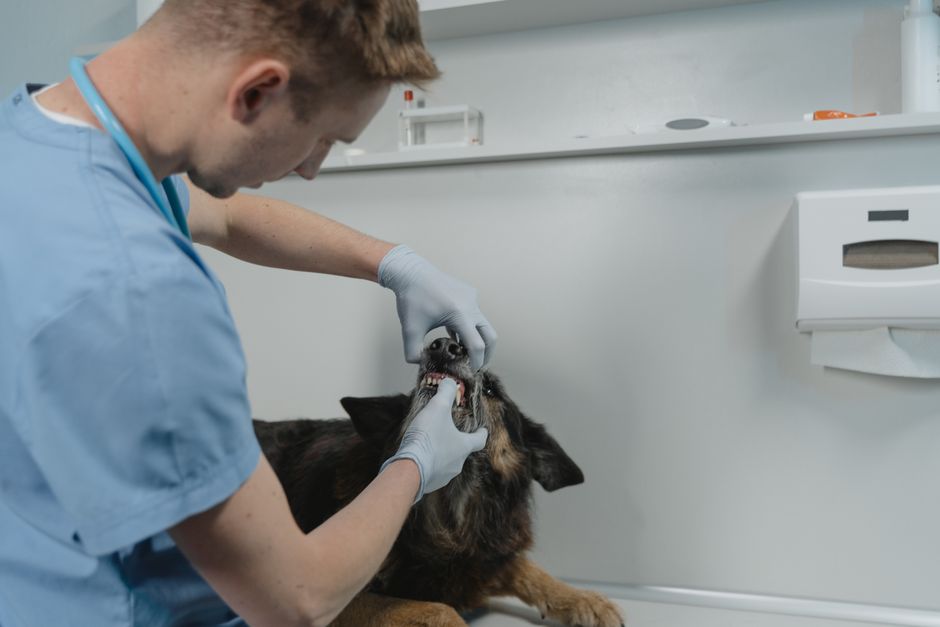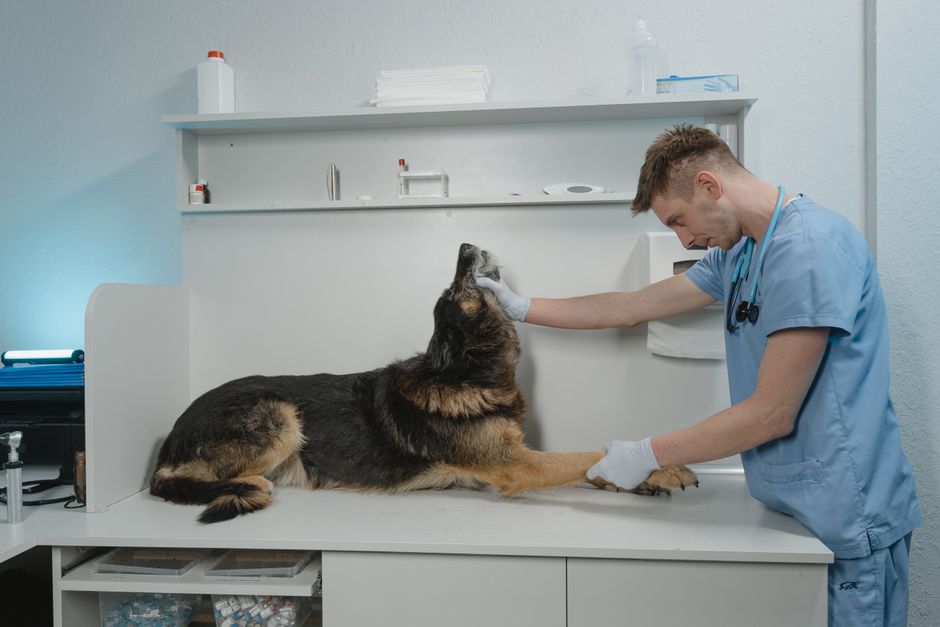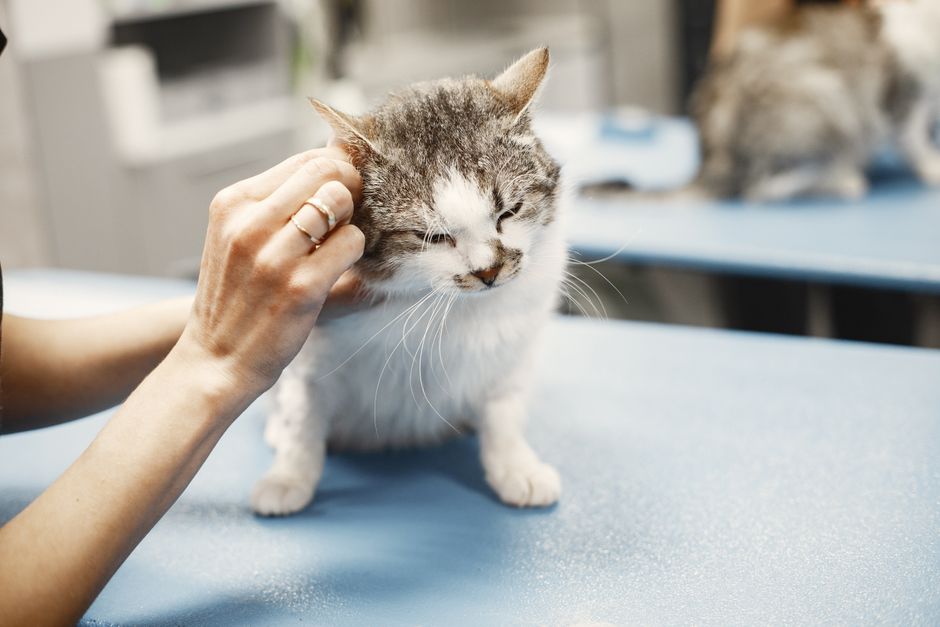
Florida’s summer thunderstorms can turn a peaceful afternoon into a stressful time for both pets and their families. If you live in Lakeland or the surrounding communities, you know how quickly the skies can darken and the thunder can roll in, leaving your dog or cat trembling, hiding, or acting out of sorts. At Pet Care On Highland, located at 222 W Highland Dr, Lakeland, FL 33813, our team of veterinarians understands how deeply summer storms can affect your pet’s sense of safety and wellbeing. In this blog, we’ll help you recognize signs of storm-related anxiety in dogs and cats, explain why these reactions happen, and guide you through practical steps to create a calming environment at home. We’ll also discuss when anxiety may require professional veterinary support and how our experienced veterinary team can help your pet weather the season more comfortably.
Many pets react to thunderstorms with visible distress, but the signs of anxiety can be subtle or mistaken for other issues. Common symptoms of storm anxiety in dogs and cats include pacing, trembling, panting, hiding in closets or under furniture, vocalizing more than usual, or seeking constant reassurance from you. Some pets may become clingy, while others might try to escape or even have accidents indoors. In cats, you might notice excessive grooming, wide eyes, flattened ears, or a sudden reluctance to use the litter box during storms. For dogs, behaviors such as shaking, excessive panting, or yelping can be particularly prominent.
If you notice your dog shaking or panting more than usual during a storm, it may help to learn more about when these signs might warrant a professional assessment. Our veterinary team has created resources to help you identify when dog shaking or dog panting could signal a more serious concern. Similarly, if your cat is shaking or acting lethargic, these could be signs of underlying issues, and understanding the distinction is important for their wellbeing. Resources on cat shaking and cat lethargy are available to guide you in monitoring your cat’s health.
Observing your pet carefully during storms is the first step in providing them with comfort and support.
Thunderstorm anxiety in pets is a complex reaction often triggered by a combination of loud noises, flashes of lightning, changes in barometric pressure, and even static electricity. Dogs and cats have keen senses that allow them to detect changes in the atmosphere long before we notice the first rumble of thunder. For many pets, the unpredictable sounds and sudden environmental changes can feel threatening or overwhelming, especially if they have had a previous negative experience during a storm.
Some breeds and personalities are more prone to anxiety, with dogs that are naturally sensitive or have a history of separation anxiety showing stronger reactions. Cats may internalize their stress, becoming withdrawn or hiding in hard-to-reach places. In Florida, the frequency and intensity of summer storms can make these episodes a regular source of distress for pets, compounding their anxiety over time if not addressed.
Understanding the reasons behind your pet’s fears can help you respond with empathy and practical solutions.
Supporting an anxious pet during summer storms starts with creating a safe, calming environment. Many pets respond well to having a dedicated space where they can retreat. This might be a cozy crate for your dog in a quiet, windowless room or a covered bed for your cat tucked away from the noise. Playing soothing music, white noise, or special pet-calming tracks can help mask the sounds of thunder. Closing curtains and turning on lights can also reduce the visual impact of lightning flashes.
Some pets find comfort in close contact, enjoying gentle petting or being wrapped in an anxiety vest or snug blanket. For others, it is best to respect their need for space, allowing them to hide if that feels safest. The key is to observe your pet’s preferences and respond without forcing physical contact or trying to coax them out of hiding before they are ready.
Maintaining your own calm demeanor is equally important, as pets often pick up on their owner’s stress. Offering special toys, treats, or engaging in a favorite activity can provide distraction and positive associations during storms. For ongoing support, consider establishing a routine that includes regular play, exercise, and interaction to build your pet’s confidence outside of stormy situations.
If your pet’s anxiety during storms is severe, persistent, or worsening, professional veterinary intervention may be necessary. At Pet Care On Highland, our veterinarians offer a range of solutions tailored to your pet’s individual needs. Treatment approaches can involve behavior modification techniques, such as desensitization and counter-conditioning, which gradually help your pet build positive associations with storm-related triggers.
In some cases, veterinary-prescribed anti-anxiety medications or supplements may be recommended, especially if your pet’s fear is interfering with their daily quality of life. Our team is experienced in developing safe, effective treatment plans that may combine medication with environmental management and behavioral support.
For pets with underlying health conditions, such as heart disease or chronic pain, anxiety can complicate their management. Our comprehensive approach ensures we evaluate your pet’s overall health during a health and wellness examination, addressing any physical concerns that may contribute to their anxiety.
Through regular check-ups and open communication, we work with you to monitor your pet’s progress and adjust their care as needed.
Prevention and early intervention can make a significant difference in how your pet copes with Florida’s summer storms. If you have a puppy or kitten, gentle exposure to storm-like sounds in a positive setting can help reduce the likelihood of developing severe anxiety later in life. For adult pets, maintaining a predictable routine, ensuring plenty of exercise and mental stimulation, and providing access to safe spaces can help build resilience.
Using calming pheromone diffusers, such as feline facial pheromones for cats or dog-appeasing pheromones for dogs, has been shown to support relaxation in some pets. Additionally, regular grooming to reduce static build-up, especially in long-haired dogs and cats, can decrease discomfort during storms.
Never punish or scold your pet for anxious behaviors, as this can increase their fear and erode trust. Instead, reward calm behavior and offer reassurance without reinforcing panic. If you anticipate a storm, preparing your pet by bringing them indoors early, securing windows and doors, and having comfort items ready can help reduce their anxiety before the weather worsens.
While many pets can be comforted at home, there are times when professional help is crucial. If your dog or cat is injuring themselves, showing signs of severe distress, or their anxiety continues long after the storm has passed, it may be time to consult with our veterinary team. Warning signs that require immediate attention include persistent shaking, excessive panting, refusal to eat or drink, vomiting, or sudden changes in behavior.
If you are unsure whether your pet’s reactions are normal or if there could be an underlying medical issue, our resources on urgent care and sick visits can help you determine when prompt veterinary attention is needed. For specific symptoms, such as dog yelping or crying or cat vomiting, additional guidance is available to help you make informed decisions.
Early intervention can prevent anxiety from becoming a chronic issue and help your pet enjoy a better quality of life year-round.
Florida’s summer storms do not have to be a source of dread for your family or your pets. With proactive care, understanding, and the right support, you can help your dog or cat feel safer and more secure during even the loudest weather. At Pet Care On Highland, our compassionate veterinarians are committed to helping pets in Lakeland and surrounding communities thrive, no matter the season.
If you are searching for a veterinarian near me who truly understands how Florida’s climate can impact your pet’s health and happiness, our team is here to help. Schedule an appointment with our experienced veterinary professionals by calling (863) 937-7914 or visiting us at 222 W Highland Dr, Lakeland, FL 33813. Whether your pet needs a comprehensive health and wellness examination, urgent care during a stressful episode, or ongoing support for anxiety, we are dedicated to providing the highest standard of care in a welcoming, modern environment.
Together, we can help your pet face Florida’s summer storms with greater confidence and comfort. Reach out to our veterinary team today to discuss your pet’s needs and discover how we can support you through storm season and beyond.