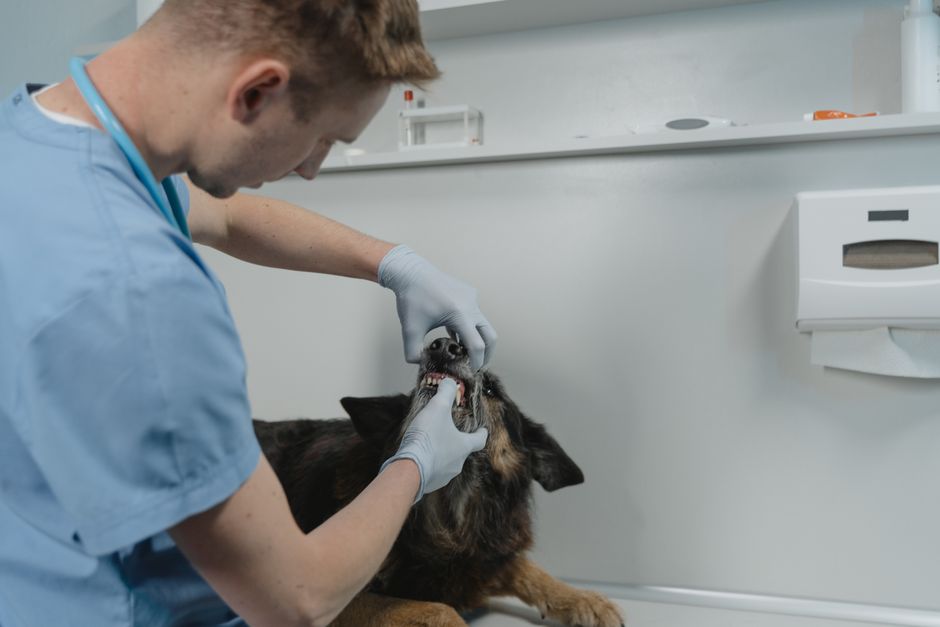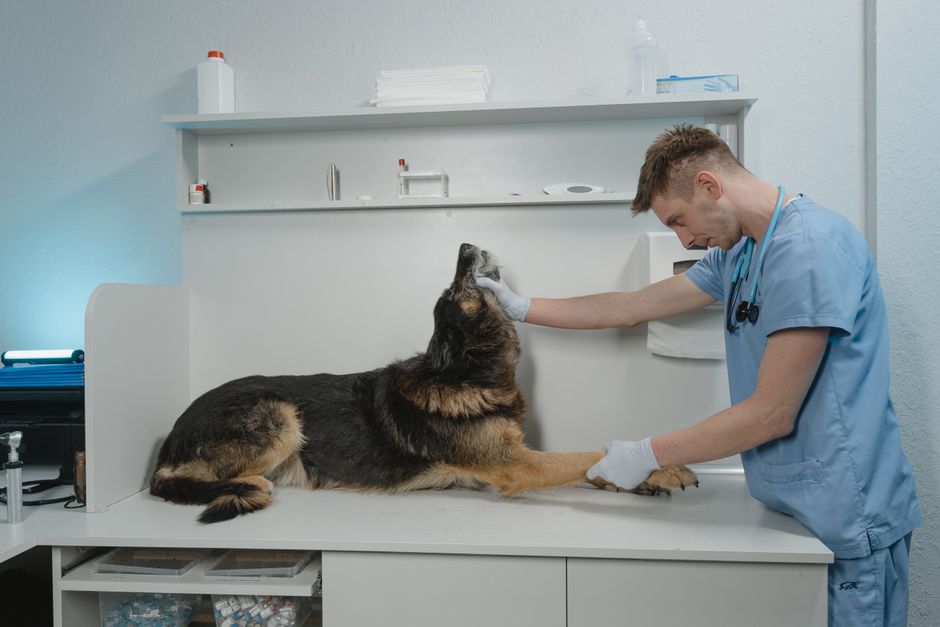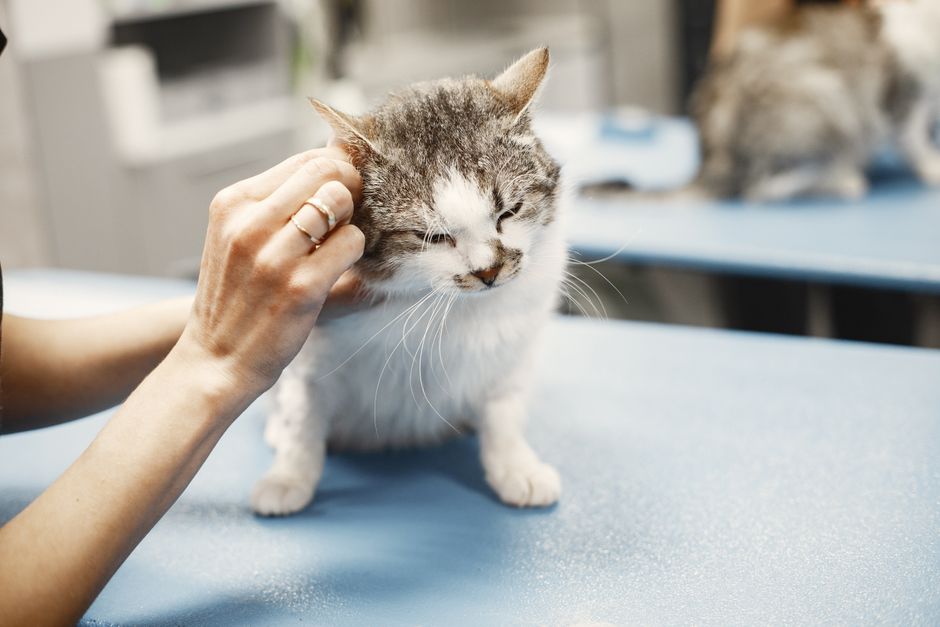
If you live in Lakeland, FL, you know how quickly the summer weather can shift, bringing hot, humid days and regular afternoon downpours. While this rainy season brings lush greenery, it also creates the perfect environment for fleas and ticks to thrive. For pet owners, this means extra vigilance is needed to keep your dog or cat comfortable and safe from these tenacious parasites. At Pet Care On Highland, our experienced veterinary team understands the challenges that come with protecting your pet during Lakeland’s humid August. In this comprehensive guide, you’ll learn how to spot the signs of flea and tick problems, why these pests are so prevalent in our area, the best treatment options for your pet, and the most effective prevention strategies for your household. You’ll also discover when it’s time to seek veterinary help and how our modern, full-service clinic at 222 W Highland Dr, Lakeland, FL 33813 can support you every step of the way. For more information about preventive care, you can also explore our Health and Wellness services at your convenience.
Fleas and ticks are more than just a seasonal nuisance; they can lead to uncomfortable itching, skin infections, and even more serious health problems for your pet. The first step in protecting your pet is knowing what warning signs to watch for during Lakeland’s rainy season. Flea infestations often show through symptoms such as persistent scratching, biting, or licking, as well as noticeable hair loss or red, irritated skin—especially around the base of the tail, belly, or thighs. Sometimes you may also spot tiny black specks, which are flea droppings, in your pet’s fur or bedding.
Tick infestations are often harder to spot right away. Ticks attach themselves to your pet’s skin, usually around the ears, neck, or between the toes. You might notice a small bump, see the tick itself, or observe your pet shaking their head or acting restless. In some cases, ticks can transmit diseases such as Lyme disease or ehrlichiosis, which may cause symptoms like fever, lethargy, swollen joints, or loss of appetite days to weeks after the bite.
Being able to recognize these early signs allows you to respond quickly and help your pet avoid further discomfort or complications.
Lakeland’s weather, especially in late summer, creates an ideal habitat for fleas and ticks. The combination of high humidity, warm temperatures, and frequent rainstorms accelerates the lifecycle of these parasites. Fleas lay eggs in the environment—often in your yard, carpets, or pet bedding—where they rapidly hatch and mature in the moist conditions. Ticks, on the other hand, thrive in tall grasses, shrubs, and shaded areas, waiting for a host to brush past.
The local wildlife population, including squirrels, raccoons, and stray animals, also contributes to the spread of these pests, bringing them into neighborhoods and even your own backyard. Because fleas and ticks are active almost year-round in central Florida, the risk of infestation is much higher than in cooler or drier regions.
Understanding these environmental factors is crucial for pet owners, as it highlights why consistent prevention is necessary—not just during the peak summer months, but throughout the year.
If you discover fleas or ticks on your dog or cat, prompt and effective treatment can prevent further health issues and help your pet feel better quickly. At Pet Care On Highland, our veterinary team offers a full range of solutions tailored to your pet’s breed, age, weight, and overall health status.
Treatment approaches for fleas typically involve prescription oral or topical medications designed to kill adult fleas and disrupt their lifecycle. These medications are both safe and highly effective when used as directed. In some situations, your veterinarian may recommend a medicated bath, especially if your pet has sensitive skin or is suffering from a severe infestation. It is also important to treat your home environment, as flea eggs and larvae can hide in carpets, upholstery, and bedding. Your veterinarian can advise on pet-safe environmental treatments and cleaning routines.
For ticks, the primary goal is safe removal and preventing disease transmission. If you find a tick attached to your pet, use fine-tipped tweezers to grasp it as close to the skin as possible and pull straight out, avoiding twisting. Never use petroleum jelly, matches, or other home remedies, as these can stress the tick and increase the risk of disease transmission. After removal, monitor your pet for any signs of illness and follow up with your veterinarian for tick-borne disease screening if needed.
If your pet is experiencing significant discomfort, secondary skin infections, or signs of illness after a flea or tick bite, our team may prescribe antibiotics, anti-inflammatory medications, or recommend additional diagnostic tests. You can learn more about our approach to urgent care and sick visits if your pet is unwell.
Prevention is always better than cure, especially in a climate as challenging as Lakeland’s. Consistent use of veterinarian-recommended flea and tick preventives is the cornerstone of keeping your pet safe year-round. These products are available as topical treatments, oral medications, or collars, and should be administered as directed by your veterinarian without skipping doses.
In addition to medication, maintaining a clean home environment is essential. Regularly washing your pet’s bedding and vacuuming carpets can reduce the risk of reinfestation. Outdoors, keep your lawn trimmed and remove piles of leaves or brush, as these are favorite hiding spots for ticks. Reducing exposure to local wildlife by securing trash cans and avoiding feeding pets outdoors can also help minimize the risk of bringing fleas and ticks into your yard.
After outdoor play, especially in wooded or grassy areas, check your dog or cat for any signs of fleas or ticks. Pay special attention to hidden areas like behind the ears, under the collar, and between the toes. Early detection is key to preventing a minor problem from becoming a major issue.
To establish a comprehensive preventive care routine tailored to your pet’s needs, consider scheduling a health and wellness examination with our veterinary team. Our veterinarians can recommend the safest and most effective products for your household, taking into account any allergies, sensitivities, or other health considerations your pet may have.
While many flea and tick problems can be managed at home with proper prevention and early treatment, there are times when professional help is essential. You should schedule an appointment with your veterinarian if your pet is experiencing symptoms such as persistent scratching, hair loss, skin redness, or sores that do not improve. Additional warning signs include lethargy, fever, loss of appetite, swelling, or any unusual behavior following a suspected tick bite.
If you are unable to remove a tick safely, notice signs of infection at the bite site, or are concerned about possible allergic reactions, it is important to contact your veterinary team promptly. In some cases, untreated flea infestations can lead to anemia—particularly in young kittens or small dogs—so signs like pale gums, weakness, or rapid breathing should never be ignored.
Our team at Pet Care On Highland is here to support you with both routine and urgent care. If you are ever in doubt about your pet’s health, reaching out for guidance can help prevent more serious complications and keep your pet comfortable and healthy.
Lakeland’s rainy, humid summer creates ongoing challenges for pet owners, but with the right knowledge and support, you can keep your dog or cat protected from fleas and ticks all season long. Monitoring your pet for early signs of infestation, practicing year-round prevention, and maintaining a clean environment are the best ways to ensure your pet’s comfort and health.
If you have questions about flea or tick prevention, or if your pet is showing signs of discomfort, our compassionate veterinary professionals at Pet Care On Highland are always ready to help. Scheduling a wellness examination or consultation is easy—simply call (863) 937-7914 or visit our clinic at 222 W Highland Dr, Lakeland, FL 33813. When searching for a vet near me, trust in a practice that combines modern medicine with genuine care for pets in Lakeland and surrounding communities.
For more advice on preventive care and keeping your pet healthy all year, explore our Health and Wellness services. Your pet’s wellbeing is our top priority, and we look forward to partnering with you for a happy, pest-free season. If you ever need urgent care or have concerns about your pet’s health, our urgent care and sick visits are available to provide the support you need.
This blog is intended for informational purposes only and does not replace professional veterinary advice. If you have concerns about your pet’s health, always consult with your veterinarian.