When your dog is in pain, it’s natural to want to help as quickly as possible. Many pet owners in Lakeland and surrounding communities wonder if over-the-counter medications like ibuprofen are safe for dogs. The short answer is that dog ibuprofen use is extremely dangerous and can lead to severe, even life-threatening health problems. At Pet Care On Highland, located at 222 W Highland Dr, Lakeland, FL 33813, our veterinary team is committed to helping you keep your dog safe. In this article, you’ll learn why ibuprofen is so hazardous for dogs, what to do if your dog accidentally ingests it, and which safe pain relief options are available from your local Lakeland veterinary professionals. We’ll also guide you on prevention and when to seek veterinary help if you suspect your dog has been exposed to ibuprofen.
It’s important for every pet owner to realize that medications safe for humans are not always safe for dogs. Ibuprofen, sold under common brand names like Advil or Motrin, is one of the most frequent causes of accidental poisoning in dogs. Even a small dose can be toxic, with effects that may appear within hours.
Symptoms of ibuprofen toxicity in dogs include vomiting, loss of appetite, stomach pain, drooling, and lethargy. As the situation worsens, a dog may experience black or bloody stools, jaundice (yellowing of the gums or eyes), increased thirst or urination, disorientation, seizures, or even collapse. If you notice any of these signs and suspect your dog may have consumed ibuprofen, immediate action is critical. For detailed guidance on what to do if your dog eats ibuprofen, visit our page on what to do if a dog ingests ibuprofen.
Ibuprofen belongs to a class of drugs known as non-steroidal anti-inflammatory drugs (NSAIDs), which work by blocking certain enzymes that cause pain and inflammation in humans. However, a dog’s body processes these drugs very differently. Dogs are far more sensitive to NSAIDs, and even one tablet can cause significant harm.
The main risks of dog ibuprofen exposure are stomach ulcers, kidney failure, and neurological effects. Ibuprofen inhibits the production of chemicals that protect the stomach lining and support healthy kidney function. Without these protections, the stomach and intestines become vulnerable to ulcers and bleeding, while the kidneys can suffer acute, often irreversible damage. In high enough doses, ibuprofen can also affect a dog’s nervous system, leading to tremors, seizures, or coma.
Unlike people, dogs cannot metabolize ibuprofen efficiently, which means it stays in their system longer and causes more damage. Even doses that seem small to a human can cause severe problems for a dog.
If you discover that your dog has eaten ibuprofen, do not wait for symptoms to appear. Prompt veterinary care can be the difference between a full recovery and a tragic outcome.
Call your veterinarian or an emergency animal hospital immediately. Provide information about the amount of ibuprofen ingested, the time of ingestion, and your dog’s weight and general health. Do not attempt to induce vomiting or give any home remedies unless explicitly directed by a veterinary professional. The safest course of action is to bring your dog to the clinic as soon as possible so treatment can begin without delay.
At Pet Care On Highland, our team is equipped to handle urgent cases like these during regular business hours. For after-hours emergencies, please refer to our after-hours emergency veterinary care information page for additional resources in the Lakeland area.
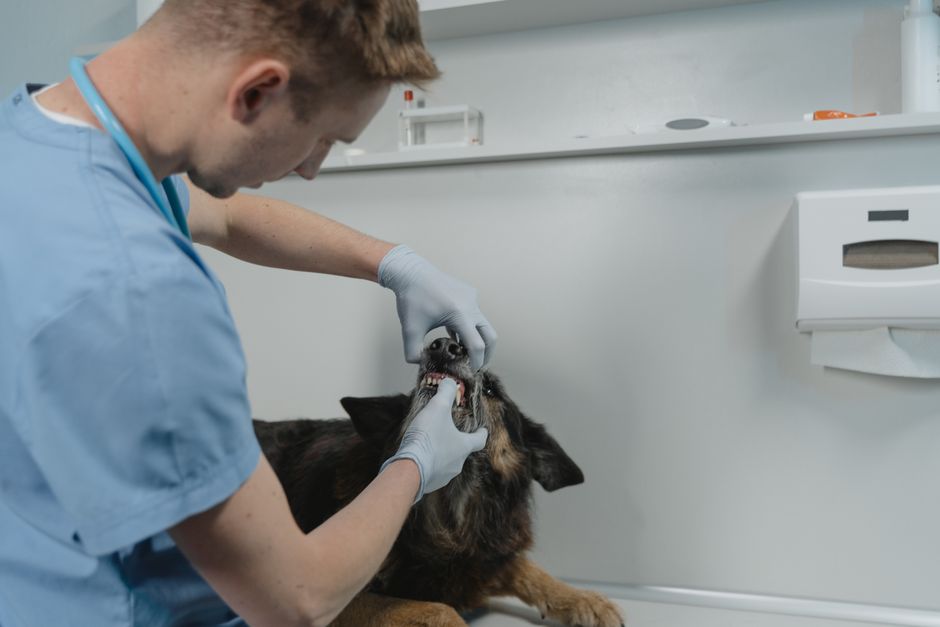
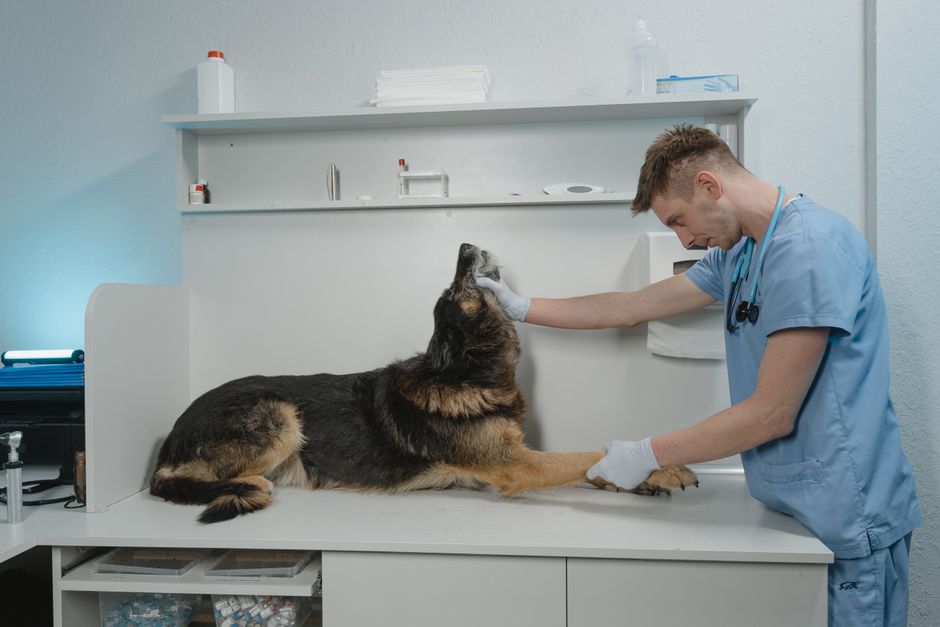
When a dog arrives at our clinic after ingesting ibuprofen, our veterinarians will quickly assess the situation and begin treatment tailored to your pet’s needs. Initial steps often involve inducing vomiting (if ingestion was very recent and it is safe to do so), administering activated charcoal to limit further absorption, and providing intravenous fluids to support kidney function.
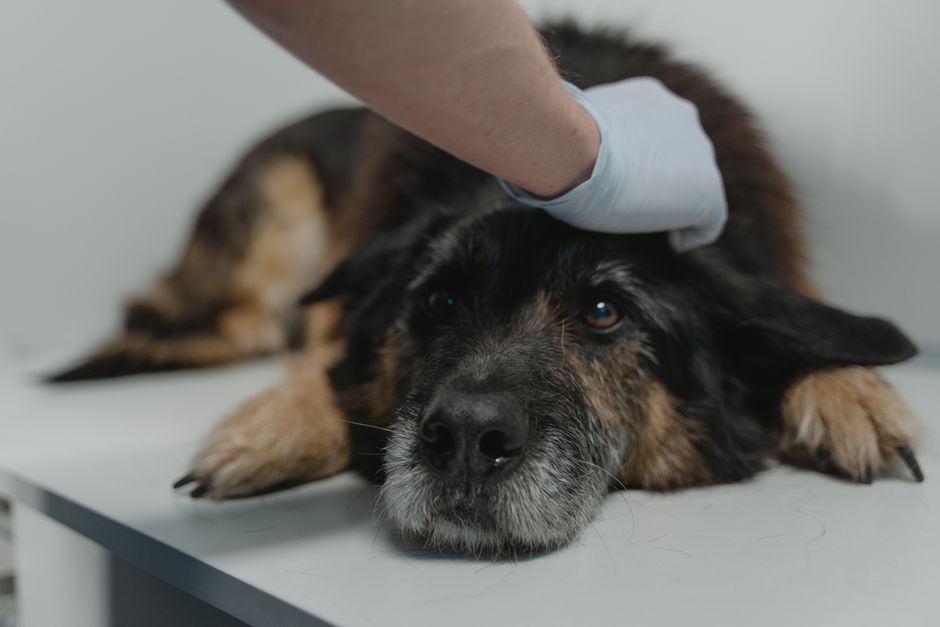
Hospitalization may be necessary for more severe cases. Dogs with significant exposure may require ongoing monitoring, blood tests to assess kidney and liver function, and medications to protect the gastrointestinal tract. Intensive care helps manage complications like stomach ulcers, bleeding, or neurological symptoms.
Our veterinary team will keep you updated throughout the process and discuss the prognosis based on how much ibuprofen was ingested, your dog’s size, and how quickly treatment began. Outcomes are best when care is started soon after exposure.
If your dog is experiencing pain, there are much safer and more effective options available than reaching for human medications like ibuprofen. Only a veterinarian should prescribe pain relief for your dog, as we can determine the best medication, dosage, and monitoring plan based on your dog’s unique needs.
Veterinary-approved NSAIDs, such as carprofen or meloxicam, are formulated specifically for dogs and have established safety profiles when used correctly. Additional pain management strategies may include laser therapy, physical rehabilitation, and in some cases, alternative medications for chronic issues.
Our clinic offers veterinary pain management services and safer pain relief options for pets, ensuring your dog receives the most appropriate and effective care while minimizing risk. Never give your dog any medication, even over-the-counter drugs, without first consulting a veterinarian.
Accidental ibuprofen ingestion is often preventable with a few simple precautions. Keep all medications securely out of reach, ideally in cabinets or drawers that your dog cannot access. Be especially careful with purses, backpacks, and nightstand drawers, as curious dogs may sniff out and chew through packaging.
Educate your family and visitors about the dangers of dog ibuprofen exposure, and remind everyone that human medications should never be given to pets without veterinary supervision. If your dog is prescribed any medication, follow dosing instructions precisely and store the medicine safely between uses.
Additionally, be mindful of other household products that may contain ibuprofen or related NSAIDs, such as cold and flu remedies, topical gels, or combination painkillers. Promptly pick up any dropped pills and dispose of expired medications responsibly.
Time is of the essence if you think your dog may have swallowed ibuprofen. Even if you are unsure how much was ingested or whether any symptoms have developed, it’s always safer to contact your veterinarian right away. Early intervention can significantly improve your dog’s chances of a full recovery.
Call Pet Care On Highland as soon as possible if you notice any unusual symptoms or suspect medication exposure. Our veterinary professionals are trained to handle these emergencies and can guide you through the next steps. For more information on urgent veterinary care for pets experiencing illness, injury, or potential medication toxicity, visit our website or contact our clinic directly during business hours.
If the situation occurs outside of regular hours, please consult our after-hours emergency veterinary care information to find immediate help in Lakeland.
Having a trusted veterinary team in Lakeland means you have expert resources nearby when seconds count. Our veterinarians understand the unique needs of pets in our Florida community and are equipped with modern diagnostic and treatment tools to address even the most urgent concerns, like dog ibuprofen toxicity.
Choosing a local veterinarian ensures not only quick access to care, but also the reassurance of ongoing support for your dog’s health. Whether you’re dealing with an emergency or simply want advice about safe pain relief, our team at Pet Care On Highland is always here for you.
Ibuprofen is never safe for dogs, and even a tiny amount can cause serious harm. If you have questions about dog ibuprofen safety, or if your dog is showing signs of pain or illness, do not hesitate to reach out to our clinic. Schedule an appointment with our compassionate team of veterinarians at Pet Care On Highland for guidance, treatment options, and preventive care tailored to your dog’s needs.
If you are searching for a veterinarian near me who prioritizes your pet’s safety and wellbeing, we invite you to contact us at (863) 937-7914. Our Lakeland veterinary team is dedicated to helping dogs and their families enjoy long, healthy lives together. For more information about urgent veterinary care for pets experiencing illness, injury, or potential medication toxicity or to learn about our veterinary pain management services and safer pain relief options for pets, visit our website or call today. Your dog’s health is our top priority; let us help you protect them from the dangers of ibuprofen and other household risks.
This article is for informational purposes only and does not substitute for professional veterinary advice. If your dog is unwell or has ingested medication, always consult with your veterinarian promptly.